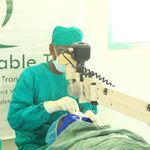
The hospital currently receives an average of 100 cataract patients per month. Early symptoms include blurred vision and gradual loss of sight, which can progress to complete blindness if untreated.
Dar es Salaam. Patients undergoing cataract surgery in Tanzania may no longer need to rely on spectacles, following the introduction of advanced “smart lenses” at the International Eye Hospital in Dar es Salaam.
Speaking to journalists, consultant ophthalmologist Dr Zayd Sangey said the new intraocular lenses are implanted during cataract surgery and enable patients to see clearly at near, intermediate and far distances without depending on glasses.
“Unlike the traditional lenses that mainly correct distance vision, these advanced lenses allow patients to return to normal daily activities more comfortably, including reading, using phones and working on computers without spectacles,” Dr Sangey said.
He added that the technology represents a significant improvement over previous methods, where patients often required reading glasses even after successful surgery.
According to Dr Sangey, cataracts commonly affect people aged 40 and above, although some develop the condition earlier due to underlying health issues such as diabetes, hypertension and metabolic disorders.
He noted a growing number of younger patients presenting with eye conditions, attributing this trend partly to lifestyle changes and increased reliance on digital devices.
The hospital currently receives an average of 100 cataract patients per month. Early symptoms include blurred vision and gradual loss of sight, which can progress to complete blindness if untreated.
Hospital Marketing Manager Ally Chillo said the introduction of smart lenses reflects ongoing technological advancements in cataract treatment, aimed at improving patients’ quality of life after surgery.
According to Ministry of Health data, cataract remains one of the leading causes of blindness in Tanzania. In 2025 alone, more than 2,700 patients underwent cataract surgery, with the national target set at 3,500 procedures annually.