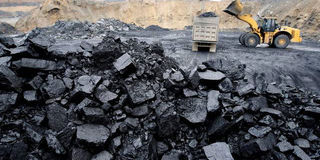
Ngaka coal production has increased from 50,000-80,000 metric tonnes per month
Songea. Production of coal by Ngaka has increased from 50,000 to 80,000 metric tonnes per month, Tancoal Energy chief executive officer James Shedd has said.
This, according to Mr Shedd, has enabled the company to meet the demand of cement manufacturers in the country. “When the importation of coal was banned in August last year, we struggled to meet the demand of cement producers, as production stood at 60,000 metric tonnes per month.
He said they had managed to meet the demand after the procurement of mining, production, processing and quality equipment. “We are now confident in sustaining coal production and attaining other objectives, including future production of electricity and briquettes,” he noted.
Deputy mine manager Edward Mwanga said they had an additional weighbridge to reduce long queues for packing and loading of coal consignment. “In previous years we used to load about 80 trucks a day, but with the new weighbridge we serve at least 155 trucks a day,” he said.
Last year, the ministry of Energy and Minerals banned the importation of coal, accusing local cement manufacturers, who wanted to import coal from other countries, particularly South Africa, of being driven by a 10-per cent commission paid to them.
The ministry defended the ban on coal importation and warned against smugglers, saying they would face stern legal action if they defied the government ban.
Ngaka Coal Mine is owned by Tancoal Energy Ltd, a joint venture between the National Development Corporation of Tanzania with a 30-per cent stake and Intra Energy (T) Ltd of Australia with a 70-per cent stake.
It is located in Ruhuhu Basin, Mbinga District, in Ruvuma Region. It is 40km from Lake Nyasa and 1,100km from Dar e Salaam. By January last year, Tancoal Energy Ltd had spent $23 million on exploring and initial development costs of the Mbalawala Coal Mine from a planned investment of $236 million to establish the first privately-funded coal mine in the country and construct a 200MW coal-fired power plant in Mbinga by 2019.