Tanzania invites the private sector to invest in water services provision

By Katare Mbashiru

Dodoma. The government has, for the first time, opened the door for the private sector to provide water services, directly competing with regional water authorities in a bold push to improve efficiency, expand access and raise service standards nationwide.

The landmark policy shift marks a significant reform in Tanzania’s water sector, traditionally dominated by public institutions. The long-awaited move comes amid persistent complaints of water scarcity across the country, with private investors repeatedly urging the government to allow them to offer services to citizens.

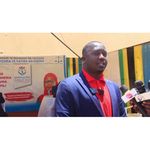
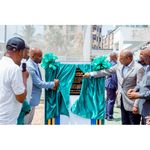
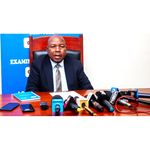
The announcement was made on Friday, February 27, 2026, by the Minister for Water, Mr Jumaa Aweso, while officiating at the first Annual General Meeting (AGM) of the Rural Water Supply and Sanitation Authority (Ruwasa) and Community-Based WaterSupply Organisations (CBWSOs) in Dodoma.

The high-level meeting drew more than 900 delegates from across the country.

Mr Aweso made the government’s position clear, declaring that it would not shy away from competition.

“We must serve Tanzanians. Let us not fear competition,” he said, adding: “The education sector has allowed competition. The health sector has done the same while continuing to build public hospitals. Our role as a ministry is to ensure quality — the rest can move forward.”

If effectively implemented, the reform could usher in a new era in which efficiency, accountability and innovation define the management of the country’s most precious resource.

Mr Aweso emphasised that the Ministry of Water will maintain strict oversight to ensure quality standards are upheld, even as new players enter the market.

He also challenged water officials to focus on results-driven performance, warning against complacency.

The minister took a firm stance against operational failures, describing it as unacceptable for citizens to go without water simply because electricity prepaid tokens (Luku) had run out — especially when officials were aware in advance.

“It is embarrassing for citizens to lack water due to preventable reasons,” he said.

Mr Aweso revealed that rural water access had reached an average of 85.2 per cent by December 2025, up from 79.9 per cent in 2024, thereby surpassing national targets.

At the occasion, the Permanent Secretary in the Ministry of Water, Ms Mwajuma Waziri, issued a stern warning to water service staff over the mistreatment of customers and fraudulent billing practices.

"Stop bullying customers and stop inflating water bills. Citizens have a right to quality service,” she said.

She noted that complaints about arbitrary billing practices continue to surface in Parliament despite repeated warnings, and urged professionals to fully embrace digital systems to eliminate malpractice.

Ms Waziri also directed technical teams to urgently address water leakages, observing that in some areas leaks remain unrepaired for up to two months, leading to massive losses of water.

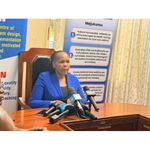
The Chairperson of the Ruwasa Board, Ms Ruth Koya, reaffirmed the agency’s commitment to ensuring reliable water access across the country, particularly in underserved rural areas.

She said strong community relations and improved service quality remain central to achieving universal access goals.