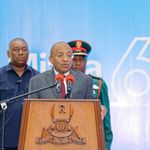
Arusha. Community Development, Gender and Special Groups Minister, Dr Dorothy Gwajima, has called on traditional leaders to spearhead efforts to eradicate female genital mutilation (FGM).
She made the call on Thursday, February 12, 2026, during commemorations of the International Day of Zero Tolerance for FGM in Losirwa Village, Monduli District, Arusha Region, which coincided with the launch of a five-year national anti-FGM strategy.
According to the 2022 Demographic and Health Survey and Malaria Indicator Survey, the prevalence of FGM among women and girls aged 15 to 45 has declined by 10 percent.
However, Arusha and Manyara regions record the highest rates at 43 percent, followed by Mara (28 percent), Singida (20 percent), Tanga (19 percent), Dodoma (18 percent), and Iringa (12 percent).
“FGM is a gross violation of the rights of women and girls. We must not continue traditions that undermine women’s dignity and deny them a fulfilling married life,” she said.
She urged parents not to succumb to social pressure but to protect their daughters.
She also encouraged trained traditional circumcisers to educate others and join entrepreneurship groups to access affordable loans instead of relying on income derived from FGM.
The United Nations Population Fund (UNFPA), Assistant Resident Representative, Dr Majaliwa Marwa, said the agency stands with the government in combating FGM, describing the fight as a collective responsibility.
He said FGM complicates childbirth, increases the risk of infection, and causes lasting psychological trauma.
Eliminating FGM, he said, is both a moral and human rights imperative, as well as a critical investment in future generations.
C-Sema Lake Zone Coordinator, Ms Jane Haule, said civil society organisations are implementing the national action plan to protect women and girls from FGM, which is prohibited under the Child Act No 13, prescribing imprisonment of five to 15 years and/or a fine of Sh2 million.
Youth advocate, Mr Godson Loivuko, said Maasai youth have resolved to marry uncircumcised girls in an effort to challenge harmful norms that stigmatise them as children.
The ministry’s launch of the five-year strategy to end FGM in Tanzania comes amid a three-month investigation (October–December 2025) in Mara Region, which revealed that genital tissue from FGM is being illegally traded, generating income for practitioners and complicating efforts to combat the practice.