Dodoma. The High Court Principal Registry of Dodoma has quashed the decision to expel St John’s University of Tanzania (SJUT) student Catherine Maganga and ordered her return to resume studies after identifying flaws in disciplinary action taken previously.
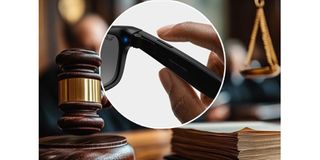
Ms Maganga was expelled from studies after being linked with cheating in a biochemistry exam, allegedly involving modern technology use, including glasses featuring a bluetooth system linked directly to her mobile phone.
The decision reinstating her was issued on Thursday, September 10, 2026, by Judge Angelo Rumisha, who quashed the expulsion decision presented via reference letter SJUT/SONU/26/D2 of 21 May 2026.
Besides quashing that decision, Judge Rumisha ordered Ms Maganga reinstated instantly to resume studies, while the university was directed to pay case filing court costs.
Ms Maganga was represented by lawyer Ikoti Lissu, whereas SJUT had lawyers Allen Mtetemela and Ally Nkangaa.
That decision was issued in Court judicial review application number 21783 of the year 2026 and posted on Thursday, September 11, 2026, on the TanzLII Government website publishing decisions, laws, and regulations online.
Ms Maganga was a student of the third year studying Nursing Science at SJUT university.
During the biochemistry exam, she was linked to cheating alongside two other students.
According to university arguments, Ms Maganga's main fault was assisting those students in executing that fraudulent cheating using state of the art technology.
It was claimed in court that this plan involved utilizing glasses equipped with a bluetooth system connected to a mobile phone, prematurely halting her college education.
However, unsatisfied with that decision, Ms Maganga sought High Court permission to conduct judicial review, seeking senate's decision suspending her studies to be invalidated by the court.
Her arguments focused on four grounds, that the decision was illegal, she was denied a right to be heard, lacked logic or foundational reasons, plus procedural breaches and violated her legitimate expectations fully.
Ms Maganga’s arguments
Through her counsel, Ms Maganga agreed she previously appeared before the examination malpractice committee, but argued that particular committee and senate remain completely separate and distinct decision bodies.
She claimed the committee investigated those allegations, while the Senate held final power to decide, thus being heard before that committee equalled no hearing before the university senate.
According to Judge Rumisha, that lawyer emphasised Ms Maganga's complaints did not target the committee, but targeted senate which suspended her studies without summoning her before that body.
He said that situation violated principles of natural justice and procedural fairness.
University responds
Responding to those arguments, lawyer Mtetemela conceded natural justice rules required Ms Maganga be heard, but disagreed that such hearing should occur before the senate.
He explained that Ms Maganga and other students were summoned before the examination rules violation committee and afforded an opportunity to explain their direct involvement.
According to college arguments, student January Wambura was caught during the biochemistry exam allegedly receiving answers via smart glasses, while Shija Gervase was alleged sending those answers through bluetooth while outside the exam room.
Upon being questioned, Mr Gervase was reported to reveal that the phone used belonged to Ms Maganga.
Lawyer Mtetemela stated the committee determined Ms Maganga incited that cheating through advanced technology and that the whole scheme was planned out very strategically.
The committee report followed institutional procedures up to the School Board and finally senate.
He said the senate, being the ultimate organ to decide, held power to convert the suspension penalty into expulsion or dismiss it entirely.
Court decision
Delivering the ruling, Judge Rumisha stated that in judicial review, courts normally do not examine substantive decision validity, but inspect the lawfulness of that decision making process.
He said the court checks whether makers of decisions acted within legal limits, maintained procedural fairness, and exercised granted legal powers.
“Respectfully, the full record detailing that incident's handling leaves troubling gaps,” the Judge has stated.
He said records fail showing clearly if Ms Maganga faced elaborated charges, accusations were explained deeply, evidence brought against her or her defence appeared intelligibly documented properly.
The judge added crucially that Ms Maganga was not the student caught cheating during testing, explaining the person arrested was January Wambura.
Furthermore, he stated the phone alleged enabling cheating missed Ms Maganga, appearing with Shija Gervase instead.
“I firmly maintain that the applicant never secured a fair or fruitful opportunity to be heard before the committee handling examination rules violations, let alone before the senate which eventually suspended her academic studies,” he said.
He said because the senate had to exercise powers producing severe student consequences, natural justice principles required absolute priority given to them.
Due to these flaws, the Court quashed Ms Maganga’s expulsion, ordered her reinstatement to university studies, and ordered SJUT paying legal court costs.
Register to begin your journey to our premium contentSubscribe for full access to premium content