Arusha. Tanzania has invested Sh146.59 billion ($56 million) in tourism infrastructure across its southern safari circuit, in a strategic push to ease pressure on northern parks and unlock growth in a region with significant but underdeveloped tourism potential.
The investment, implemented through the Resilient Natural Resources Management for Tourism and Growth (REGROW) programme, a joint initiative between the Government of Tanzania and the World Bank, covers infrastructure upgrades in Nyerere, Mikumi and Ruaha national parks.
Authorities say the programme is designed to improve access, enhance visitor services and strengthen conservation management while creating conditions for increased private-sector participation in tourism.
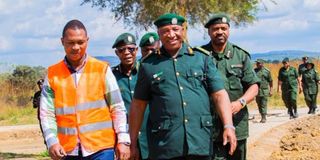
Tanzania National Parks (TANAPA) Conservation Commissioner, Mr Musa Nasoro Kuji, said the investments aim to improve both conservation outcomes and visitor experience while supporting sustainable tourism growth.
“The investments undertaken through the REGROW project are aimed at improving conservation management, enhancing visitor experiences and creating an enabling environment for sustainable tourism growth and private-sector investment,” he said.
In Nyerere National Park, the project delivered a new main gate and supporting facilities, a 20-room rest house, ranger posts housing staff families, the Mtemere campsite with capacity for 200 visitors and the Mtemere Airstrip with operational infrastructure.
Mikumi National Park received new entrance gates at Doma and Kikwaraza, a visitor information centre at Kikoboga, a 100-capacity campsite, picnic facilities, 10 visitor cottages and the Kikoboga Airstrip, which is still under construction.
Ruaha National Park, the largest in Tanzania, benefited from wider upgrades including ranger accommodation, visitor information facilities, 14 cottages at Msembe, a 136-bed hostel, accommodation for drivers and ecological monitoring infrastructure. The park also saw development work on Kiganga and Ukwaherini airstrips.
In addition to physical infrastructure, REGROW funded operational equipment worth Sh31.27 billion, including heavy machinery, vehicles and tractors deployed across key conservation areas.
According to TANAPA, the equipment has improved operational efficiency and reduced infrastructure maintenance costs by Sh1.48 billion, or 61 percent, compared to previous expenditure levels.
Officials say the machinery has supported rehabilitation of 1,223 kilometres of roads, upgrades of seven airstrips and construction or maintenance of 35 sand dams across the parks.
The southern circuit has historically lagged behind Tanzania’s northern tourism belt, which includes the Serengeti and Ngorongoro Conservation Area, due to limited infrastructure and accessibility challenges.
Tourism stakeholders, however, argue that improved roads, airstrips and visitor facilities could reposition the southern circuit as a competitive destination, particularly as global tourism demand shifts towards less crowded wildlife experiences.
Authorities expect the upgrades to increase visitor numbers, extend length of stay and raise tourist spending on accommodation, transport and related services, with multiplier effects for surrounding communities.
While official projections on arrivals and revenue have not yet been released, TANAPA says the infrastructure base now in place provides a platform for sustained tourism expansion in the coming years.
The REGROW programme is also intended to support conservation financing and local economic development through tourism-linked jobs and business opportunities.
For policymakers, the Sh146.59 billion investment represents a long-term bet that the southern circuit can emerge as a major pillar of Tanzania’s tourism economy alongside the established northern route.
“This is a strategic investment in the future of southern Tanzania’s tourism economy, conservation sustainability and community development,” said Mr Kuji.