MCL
|
MwanaClick
Home
National
international
More
•••
Sign in
My Account
Personal details
Change password
Purchases
Sign out
Search
Home
News
National
international
Sports
Football
Basketball
Athletics
Swimming
Business
Finance
Enterprise
Boss Talk
OpEd
Editorials
Our Columnists
Guest Columns
Cartoon
Puzzles
Zanzibar
Tourism
Blue Economy
Real Estate
Tech Page
Magazines
The Beat
Smart World
Political Reforms
Market Data
Jobs
Notices
Tenders
Notices
Tenders
Services
MCL
MwanaClick
Tanzania shares learning gains in Malawi summit
Thursday, July 23, 2026
- 2 min read
By
The Citizen Reporter
Media/news company
Mwananchi Communications Limited
Also Read
Tanzania’s startups attract $90 million as government pushes venture capital reforms
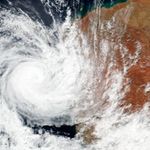
Tanzania on alert as Indian Ocean system threatens cyclone formation
Latest
Doumbia double puts Simba on brink of Champions League groups
Tanzania-China trade set to exceed Sh31 trillion this year
Tanzania’s startups attract $90 million as government pushes venture capital reforms
Yanga close in on history as Simba face crucial Caf test
Birdi leads Asas Rally Team’s podium charge in Africa event
Manveer of Asas Rally Team on brink of national title
In the headlines
View All
Why only 20 Saccos dominate Tanzania’s Sh1.7 trillion industry
Mbeya 'bajaji' ban sparks backlash as commuters face higher costs
Tanzania Private Sector Federation restructures leadership to drive $1 trillion Vision 2050 ambition
Tanzania’s startups attract $90 million as government pushes venture capital reforms