Tanzania Tourism Minister urges training institutions to address rising human-wildlife conflicts

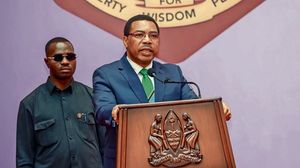
Minister of Natural Resources and Tourism, Dr Ashatu Kijaji, speaks at the Nanenane exhibition in Dodoma on Monday, August 3, 2026. PHOTO|ELIDAIMA MANGELA


Dodoma. Minister for Natural Resources and Tourism, Dr Ashatu Kijaji, has directed environmental training institutions to equip residents living near national reserves with practical skills to mitigate stray wildlife threats and preserve surrounding natural ecosystems.

The directive aims to enhance local community preparedness, enabling residents to effectively prevent destructive animal invasions, protect crops, and safeguard residential settlements situated near protected wildlife conservation areas.

Speaking on Monday, August 3, 2026, Dr Kijaji stressed that structured public education is vital for raising awareness on safe animal deterrence without endangering human lives or compromising national conservation priorities.

“Rapid population expansion near protected areas has dramatically increased human-wildlife encounters. Consequently, surrounding communities require comprehensive education on handling animals safely to prevent severe casualties and environmental degradation,” stated Dr Kijaji.

The Minister noted that this educational outreach must also caution citizens against erecting structures or establishing homes within designated animal corridors to permanently reduce exposure to dangerous wildlife.

Human Resource Officer at the Community Based Conservation Training Centre (CBCTC) in Lukuyu Sekamaganga, Ms Jackiline Fungo, revealed plans to introduce tailored short training courses for residents residing near reserves and critical water sources.

Designed to build local resilience against human-wildlife friction, these one-to-three-month programmes will provide practical instruction on defensive weapon handling and humane animal deterrent techniques.

The Tanzania Forest Services Agency (TFS) Tree Seed Production Centre Assistant Forestry Officer, Mr Gregory Kihilimbi, advised livestock farmers bordering reserves to adopt modern pasture farming.

He urged pastoralists to cultivate specialised fodder grasses and forage trees to guarantee adequate feed for livestock during severe dry seasons, ultimately curbing reliance on protected reserve lands for seasonal grazing.