Dar es Salaam. Mental health challenges among graduates are becoming a growing concern in career development discussions, with experts warning that personal struggles, pressure and repeated rejection can affect how young people approach the job market.
They argue that experiences such as difficult upbringing, public criticism during school years, family expectations and repeated rejection can affect confidence, decision-making and the ability of some young people to recognise and pursue available career opportunities.
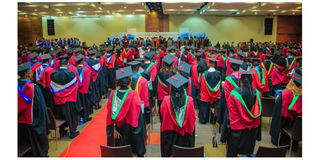
The concerns were raised during a recent career development project summit that brought together university students approaching graduation and young graduates seeking employment opportunities.
Psychologist Living Nkya said many young people complete their studies while still carrying personal challenges, only to enter the job market where they face additional pressure to secure employment and solve financial problems.
“Many students graduate while dealing with family challenges, relationship issues and financial struggles. Then after leaving university, they are expected to start thinking about how to solve challenges they are facing outside,” Mr Nkya said.
He explained that unresolved personal struggles can make it difficult for some graduates to identify opportunities because much of their attention remains focused on past experiences and current challenges.
“We carry wounds from our upbringing, relationships and different forms of rejection. To recognise opportunities, we need the right mind-set, and that requires good mental wellbeing,” he said.
Mr Nkya said negative experiences, including repeated rejection and criticism, can influence how young people view themselves, sometimes affecting their confidence when applying for jobs or starting businesses.
He described the process as a connection between thoughts, emotions and behaviour, explaining that negative thoughts can influence feelings, which may later affect how individuals respond to situations.
“When someone develops negative thoughts about themselves, it can affect their emotions and eventually their behaviour. A person may become afraid, lose confidence and stop pursuing opportunities,” he said.
He encouraged young people to focus on managing three important areas, their mind, emotions and behaviour, arguing that balance in these areas is important for career development and entrepreneurship.
Beyond personal experiences, experts also point to social expectations as another factor affecting young people’s mental wellbeing as they transition from education into employment.
Sociologist Shabani Riziki said many young people enter the labour market with expectations shaped by social pressure, success stories and comparisons with others, without fully understanding the process required to build a career.
“Many people see the achievements of others and create a picture of success that is much bigger than the process required to get there,” Mr Riziki said.
He explained that when graduates encounter a reality that differs from their expectations, some begin questioning their abilities and personal value, which can affect their confidence and motivation.
Mr Riziki said having ambitious goals is not a problem, but young people need to break down their targets into smaller steps that can gradually lead them towards bigger achievements.
“When young people understand that success requires a process, they become more prepared to learn, adapt and take advantage of different opportunities,” he said.
University lecturer Suzy Gidion said young people should also understand that not every outcome in their career journey is within their control.
She advised graduates to focus on the areas they can influence while accepting that some factors depend on other people and circumstances.
“Sometimes people receive negative comments about their abilities or behaviour, but they should understand that those are opinions. You know yourself better than anyone else,” Ms Gidion said.
She added that young people should learn to separate useful feedback from opinions that may negatively affect their confidence.
Ms Gidion also called on universities and lecturers to better prepare students for the realities of the labour market by providing honest career guidance before graduation.
“Young people need to understand how the market operates so that when they face rejection, they do not see it as the end or allow negative opinions to define them,” she said.
While mental preparedness is important, experts also encourage graduates to actively position themselves for available opportunities through professional networks and skills development.
Learning and Development Coordinator at Niajiri Platform, William Joseph, urged young people to use platforms such as LinkedIn to increase their chances of connecting with potential employers.
He said some employers use professional networks to identify potential candidates before advertising certain positions publicly.
“At Niajiri, before announcing some positions, we first look at people available on LinkedIn because the platform provides information about a person’s professional background,” Mr Joseph said.
Register to begin your journey to our premium contentSubscribe for full access to premium content