Explainer: Why Congo's Ebola outbreak is spreading faster than previous epidemics

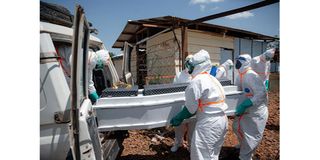
Kinshasa. The Ebola outbreak in the Democratic Republic of Congo is expected to exceed 4,000 confirmed cases this week, making it the fastest-spreading epidemic in the country's history since it was officially declared in May.

The outbreak is already the world's second-largest Ebola epidemic, behind the 2014–2016 West African outbreak that affected Guinea, Liberia and Sierra Leone, where the World Health Organization (WHO) recorded more than 28,000 cases and 11,000 deaths.

Health experts attribute the rapid spread to delayed detection of the virus, overstretched surveillance systems, persistent armed conflict in eastern Congo, and the absence of licensed vaccines or proven treatments for the Bundibugyo strain of Ebola, which is driving the current outbreak.

Officials say the epidemic is spreading five times faster than previous Ebola outbreaks at the same stage. Congo's 2018–2020 outbreak, previously the country's largest, recorded 3,481 cases and 2,299 deaths over two years.

It took more than 10 months to reach 2,000 confirmed infections, whereas the current outbreak reached that milestone in just two months and became the country's largest by late July.

Scientists believe the virus had been circulating undetected for months before the outbreak was officially declared. A study published in the journal Science found that transmission likely began as early as January near the mining town of Mongbwalu in Ituri Province.

Early infections were reportedly misdiagnosed, while delays in laboratory testing allowed the virus to spread unnoticed.

The WHO estimates that around 80 per cent of new infections are emerging outside known chains of transmission, indicating that many cases are only being identified after the virus has already spread through communities.

Health workers say contact-tracing teams are overwhelmed, creating a cycle in which undetected infections continue to fuel new outbreaks.

The response has also been weakened by funding shortages. By mid-July, the WHO had received less than half of the funds required to tackle the outbreak, while health workers have protested over unpaid salaries. Broader reductions in humanitarian assistance, including programmes supporting water and sanitation, have further complicated efforts to contain the disease.

Unlike the Zaire strain responsible for previous major outbreaks, the Bundibugyo strain has no approved vaccine or proven treatment. Infectious disease experts say most vaccines developed over the past decade targeted the Zaire species, leaving health authorities with fewer options to combat the current epidemic.

Ongoing violence in eastern Congo has also hindered the response. Insecurity has restricted access to affected communities, disrupted the movement of medical personnel and supplies, and complicated contact tracing. Attacks on hospitals and health workers have further undermined containment efforts.

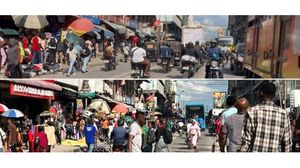
Public health officials have also raised concerns over population movement across eastern Congo, where busy trade routes and displacement caused by conflict increase the risk of the virus spreading to new areas and neighbouring countries.

Mobile populations living in displacement camps remain particularly difficult to monitor, posing an additional challenge to efforts to bring the outbreak under control.