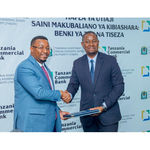
Dar es Salaam. The Tanzania Investment and Special Economic Zones Authority (TISEZA) has introduced a structured accreditation system for local firms and professionals who assist investors, aiming to boost confidence and reduce operational risks for businesses entering the country.
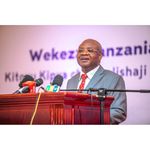
The reform was unveiled over the weekend during a seminar convening 110 newly accredited service providers. Tiseza director general Gilead Teri described the initiative as a market-oriented strategy to sharpen Tanzania’s competitive edge in attracting capital.
“Investment is not a slogan. It underpins our national prosperity,” Teri said, emphasising that long-term economic growth depends on sustained capital inflows.
The accreditation framework formally recognises and supervises intermediaries such as lawyers, accountants, tax consultants, and land specialists, ensuring investors engage only certified and vetted professionals. Teri noted that while the government leads investment promotion, it cannot operate in isolation.
“We understood that investment facilitation cannot rest solely on public institutions,” he said. “But collaboration must come with proper oversight.”
Previously, Tiseza had limited staff dedicated to promoting opportunities abroad, an approach Teri described as insufficient given that nearly 200 countries are competing for global capital. By accrediting professionals nationwide, the authority expands its reach while maintaining regulatory oversight.
Under the new system, firms and individuals must belong to recognised professional bodies and pass verification checks conducted alongside law enforcement agencies. The inaugural group includes accountants registered with the National Board of Accountants and Auditors and lawyers affiliated with the Tanganyika Law Society. Accredited providers were issued one-year licences after completing compliance and ethics training.
Teri said the reform aims to eliminate unscrupulous brokers who exploit investors, warning that corruption or deception not only stalls projects but also undermines employment, revenue, and national credibility.
The authority has also issued clear guidelines on fees. Statutory government levies remain fixed and publicly available, while accredited providers must operate within defined parameters to prevent excessive billing.