MCL
|
MwanaClick
Home
National
international
More
•••
Sign in
My Account
Personal details
Change password
Purchases
Sign out
Search
Home
News
National
international
Sports
Football
Basketball
Athletics
Swimming
Business
Finance
Enterprise
Boss Talk
OpEd
Editorials
Our Columnists
Guest Columns
Cartoon
Puzzles
Zanzibar
Tourism
Blue Economy
Real Estate
Tech Page
Magazines
The Beat
Smart World
Political Reforms
Market Data
Jobs
Notices
Tenders
Notices
Tenders
Services
MCL
MwanaClick
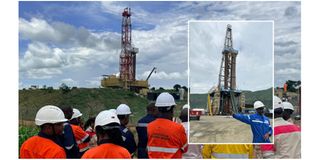
TPDC calls for deeper regional integration as East Africa nears ‘first oil’ era
Wednesday, April 29, 2026
- 2 min read
By
Gadiosa Lamtey
Business Reporter
Mwananchi Communications Ltd
Also Read
Government to operate disease sample bank to prepare for outbreaks
Government targets 625,000 households in universal coverage’s second phase
Latest
Government to operate disease sample bank to prepare for outbreaks
Government targets 625,000 households in universal coverage’s second phase
Menopause: Stages, symptoms and how to manage it
Revealed: Why forest wealth bypasses Tanzanian villages
Mollel takes early lead at Vodacom Tanzania Open
Tanzania targets health cover for poorest households
In the headlines
View All
Revealed: Why forest wealth bypasses Tanzanian villages
Menopause: Stages, symptoms and how to manage it
Government to operate disease sample bank to prepare for outbreaks
Behind Tanzania's plan to reduce dependence on imported medicines