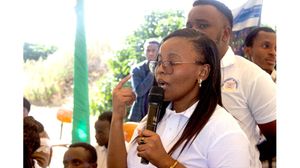
Expectations are high that the 2026/27 Health budget will address key issues such as recruitment of healthcare workers and the implementation of universal health insurance
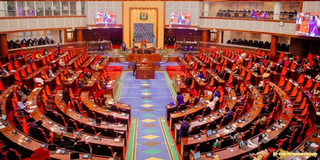
Dodoma/Dar es Salaam. Universal health insurance, shortage of healthcare workers, compensation claims linked to airport expansion projects and conflicts between farmers and pastoralists are expected to dominate debate in Parliament this week as key ministries table their budgets.
The ministries scheduled to present their budgets are Health, Transport, Livestock and Fisheries as well as Natural Resources and Tourism, with the latter expected to continue its presentation into next week.
So far, Parliament has approved budgets for 15 ministries, with the Ministry of Water and the Ministry of Education generating some of the most heated discussions.
Stakeholders in the health sector say expectations are high for the 2026/27 budget, particularly on recruitment of healthcare workers, implementation of universal health insurance and improvement of specialised treatment services.
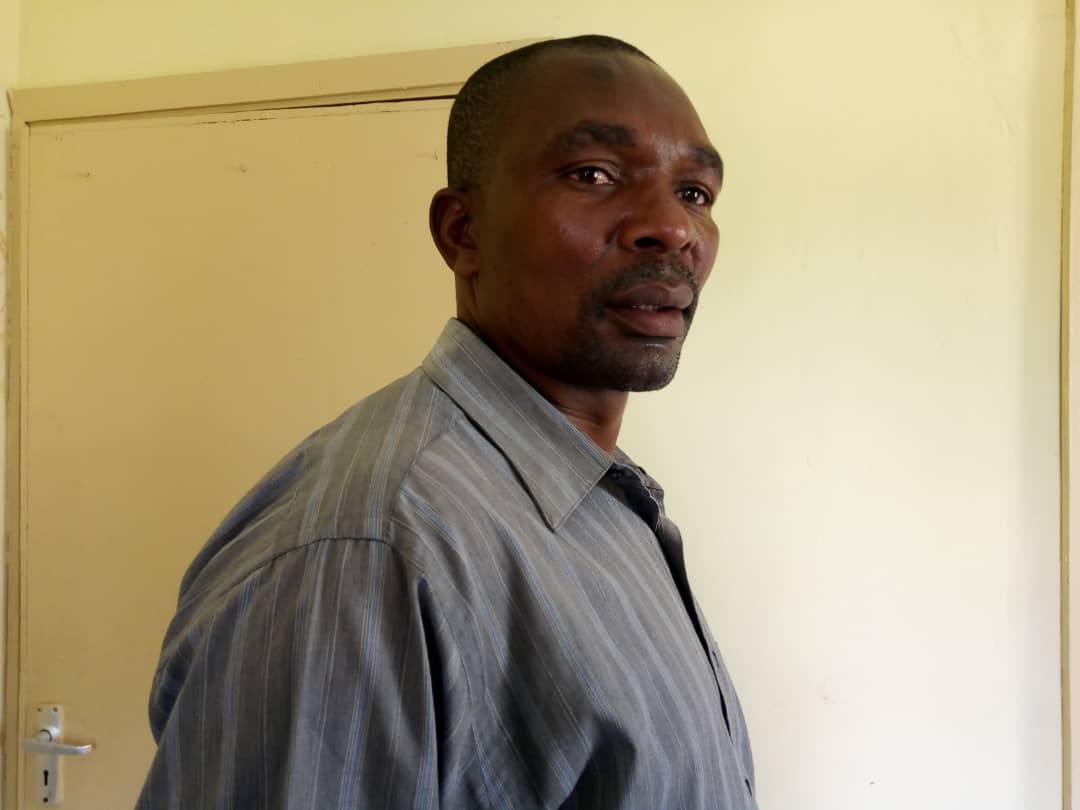
President of the Medical Association of Tanzania, Dr Mugisha Nkoronko, said the government should prioritise employment of health workers, procurement of modern medical equipment and expansion of cancer treatment services.
“We saw how the 2025/26 budget was affected after the United States withdrew part of its aid, leading to job losses for about 1,800 workers. At the same time, the elections disrupted implementation of some activities,” he said.
According to Dr Nkoronko, Tanzania continues to face a shortage of healthcare workers estimated at between 56 and 65 percent, despite construction of new health facilities across the country.
He said many lower-level hospitals still lack essential emergency equipment, particularly for trauma and cancer treatment.
“I hope the budget will provide solutions to improve emergency care services in rural hospitals and strengthen cancer treatment so that services can reach district level facilities,” he said.
Minister for Health Mohamed Mchengerwa has previously said the ministry’s budget will focus on strengthening primary healthcare services, improving availability of medicines and medical supplies, and upgrading infrastructure in referral hospitals and health centres.
The ministry also plans to intensify efforts against communicable and non-communicable diseases while expanding digital healthcare systems and specialised treatment services.
In the transport sector, MPs are expected to raise concerns over delayed compensation payments for residents affected by airport expansion projects.
Segerea MP Agnesta Lambati recently asked Prime Minister Mwigulu Nchemba when residents of Kipunguni area in Dar es Salaam would be compensated after their properties were assessed several years ago.
Responding to the concern, Dr Nchemba acknowledged that the claims had remained unresolved for a long time, noting that similar cases existed in several parts of the country.
He said the government was continuing to settle compensation claims depending on availability of funds.
MPs from Njombe Region are also expected to push for construction of an airport in the region, a matter they have repeatedly raised in Parliament.
Meanwhile, Secretary of the Tanzania Livestock Keepers Association, Mr Joshua Lugaso, said livestock keepers expect the upcoming budget to address shortage of grazing land, water access and improved livestock breeds.
He also called on the government to allow some degraded game reserves to be used for grazing purposes.
According to Mr Lugaso, expanding grazing land and improving water access would help reduce long-standing conflicts between farmers and pastoralists.
In the Ministry of Natural Resources and Tourism budget, MPs are expected to raise concerns over compensation for families whose relatives were killed by wild animals, as well as destruction of crops caused by elephants invading farms.
Lawmakers have repeatedly urged the government to introduce measures to control elephant and crocodile populations in affected areas.
However, the government has maintained that wildlife officers are continuing efforts to manage dangerous animals and educate communities on safety measures.