WHO regrets US withdrawal, warns of global health risks

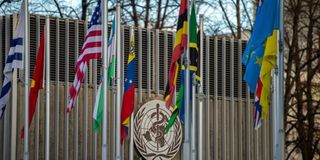
Dar es Salaam. The World Health Organization (WHO) has expressed regret over the United States’ decision to withdraw from the agency, describing the move as a risk to both the US and global health.

On January 20, 2025, US President Donald Trump issued a notice of withdrawal through an executive order, with the exit becoming official on January 22, 2026.

The US said it would work directly with other countries rather than through international organisations on disease surveillance and other public health priorities.

WHO said the withdrawal notice, received on January 22, 2026, raises issues to be discussed by the WHO Executive Board during its regular session starting February 2, 2026, and at the World Health Assembly in May 2026.

In a statement issued on Saturday, January 24, 2026, WHO rejected US claims that it had harmed the country’s reputation, disrespected it, or threatened its sovereignty.

The organisation stressed that it has worked with the US in good faith while respecting its authority and independence.

The US cited WHO’s handling of the COVID-19 pandemic, including delays in sharing critical information, as a reason for withdrawal.

WHO defended its response, noting that no government or organisation can act perfectly during a global health emergency.

“WHO recommended masks, vaccines, and physical distancing, but never imposed mandatory mask-wearing, vaccination, or lockdowns. We supported governments to make decisions in the best interests of their people,” reads part of the statement.

WHO highlighted its early response to COVID-19, including requesting information from China after initial reports of pneumonia cases in Wuhan on December 31, 2019, and establishing its Emergency Response System.

By January 11, 2020, when China reported its first death, the WHO had alerted the world through official channels, public updates, social media, convened international experts, and published guidance to protect citizens and health systems.

During the early weeks of the pandemic, the Director-General repeatedly urged countries to act swiftly, warning that windows of opportunity were closing rapidly.

Following assessments of its COVID-19 response, the WHO said it has strengthened operations and supported countries in improving preparedness and emergency response capacities.

Its 24/7 systems have contributed to safeguarding nations, including the US.

WHO also rejected claims of pursuing a politically motivated agenda against American interests, describing them as false.

“As a specialised UN agency governed by 194 member states, WHO remains independent and impartial, serving all countries with respect, without fear or favour,” reads the statement.

The organisation reaffirmed its commitment to collaboration with all member states to tackle global health threats, both infectious and non-communicable.

Last year, member states adopted the WHO Pandemic Accord, which, once ratified, will provide a framework to strengthen global preparedness for future emergencies and ensure equitable access to vaccines, treatments, and diagnostics.

WHO expressed hope that the US will re-engage fully in the future, noting that, as a founding member, it has historically contributed to major achievements such as the eradication of smallpox and progress against polio, HIV, Ebola, influenza, tuberculosis, malaria, neglected tropical diseases, antimicrobial resistance, and food safety.