Why foster care and adoption are gaining ground in Tanzania

New figures show that the number of children receiving alternative family care services in Tanzania, including foster care and adoption, has risen six-fold to 562 in the past three years from just 85 children in 2022.



Dar es Salaam. Social and child welfare specialists have explained the reasons for growing acceptance of foster care and adoption in Tanzania, saying the trend reflects a gradual but significant shift in how society understands collective responsibility for vulnerable children.

The comments come as the government revealed figures showing that the number of children receiving alternative family care services—including foster care and adoption—has risen six-fold in the past three years, from just 85 children in 2022 to 562 in 2025.

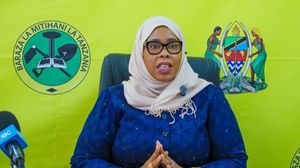
Of the 562 children who had benefited from alternative care arrangements by 2025, 279 were boys and 283 girls, according to the Minister for Community Development, Gender, Women and Special Groups, Dr Dorothy Gwajima. Authorities say the children include orphans whose parents or guardians died, as well as those abandoned by their biological families.

“This increase shows that communities are beginning to understand the importance of foster care and adoption as viable ways of ensuring children enjoy their fundamental right to grow up in a loving, protective and morally grounded family environment,” Dr Gwajima said.

She added that for many years, children without parental care relied heavily on institutional homes which, while necessary in certain circumstances, cannot fully replace the emotional and psychological benefits of family-based care.

While the government views the rising numbers as encouraging, social analysts argue that the trend also reflects deeper social transformations driven by urbanisation, education, religious engagement and increased exposure to global child rights norms.

A sociologist at Saint Augustine University of Tanzania (SAUT), Dr Zabibu Idrisa, said the increase signals a gradual departure from the long-held belief that vulnerable children should remain exclusively within extended family networks, even when those networks are overstretched.

“In the past, the assumption was that the clan or extended family would always absorb orphaned or abandoned children. But economic pressures, migration and changing family structures have weakened those traditional safety nets,” she said. “What we are now seeing is society redefining kinship and responsibility beyond blood relations.”

She added that awareness campaigns led by the government, faith-based organisations and civil society groups have helped demystify foster care and adoption, which were previously misunderstood or viewed with suspicion.

Her colleague at SAUT, Mr Alfani Mduge, said the figures also point to growing public trust in formal child welfare systems, noting that many families were previously reluctant to engage with government processes due to fears of bureaucracy or social stigma.

“When people begin to follow legal channels for adoption and foster care, it means they trust the system to safeguard both the child and the caregiver. This is sociologically significant because trust in institutions is a key indicator of social development,” Mr Mduge said.

He cautioned, however, that rising numbers alone should not be used as the sole measure of success, emphasising the need for quality monitoring, follow-up and post-placement support to protect children from neglect or abuse.

A sociologist at the University of Dar es Salaam, Dr Margaret Rugambwa, described the trend as evidence of a slow but meaningful cultural transformation.

“Adoption and foster care challenge long-held ideas about lineage, inheritance and identity. The fact that more Tanzanians are embracing these arrangements suggests growing acceptance that care, love and social belonging can be constructed, not only inherited,” she said.

She noted that the near-equal number of boys and girls benefiting from alternative care also points to improving gender sensitivity, as boys have historically been prioritised in some family settings.

Psychologists, meanwhile, emphasise that family-based care has far-reaching implications for children’s mental and emotional development.

A Catholic priest and trained psychologist from the Archdiocese of Tabora, Fr Leons Maziku, said children raised in stable family environments tend to develop stronger emotional security and social skills than those raised in institutions.

“A child needs more than food and shelter. They need attachment, consistency and a sense of belonging. Foster care and adoption, when done properly, can restore dignity and hope to children who have experienced loss or abandonment,” he said.

Another psychologist, Mr Isaac Lema from Muhimbili University of Health and Allied Sciences (Muhas), said placing vulnerable children in nurturing family environments early could reduce long-term mental health challenges, provided caregivers receive adequate preparation and support.

“Children who experience early neglect or loss are at higher risk of anxiety, depression and behavioural difficulties. Early placement in nurturing family environments can significantly reduce these risks,” Mr Lema said, warning that foster and adoptive parents must be trained in trauma-informed care.

From a practical child-rearing perspective, a Mwanza-based child care trainer, Ms Aneth Christopher, said the increase should prompt greater investment in parenting education and community-level support systems.

“Many people want to help, but they may not fully understand the developmental needs of children from difficult backgrounds. Training in positive parenting, communication and discipline is essential,” she said, noting that social welfare officers are often overstretched.

From a rights-based perspective, the Legal and Human Rights Centre (LHRC) said the trend reflects growing alignment between public attitudes and Tanzania’s child protection laws.

LHRC’s director of advocacy and reforms, Advocate Fulgence Massawe, said Tanzanian law prioritises family-based care for children who cannot remain with their biological parents, but warned against informal arrangements that bypass legal safeguards.

“The State must ensure strict enforcement of the law to prevent exploitation, trafficking or abuse under the guise of care,” he said.