Why Tanzanians may celebrate subdued Xmas

Dar es Salaam. When Christmas comes, it is normally an active season characterised by vibrant gatherings, generous spending and public festivities, but this year, it may not be business as usual.

Heightened security and fear of political violence caused by the emotional aftermath of events that unfolded during and after the October 29 elections, have become some of the key features of the celebrations.

As a result, the festive season has become less about celebrations and more about reflection.

While economic hardship and national challenges have dimmed the usual festive sparkle, they have also prompted renewed calls for unity, compassion, and lasting change—values many hope will extend well beyond the holiday season and into the year ahead.

In Dar es Salaam, the country’s commercial hub, the slowdown is clearly visible. Shopkeeper Musa Juma, who runs a shop in Bunju, said customer traffic has been lower than in previous years. Items traditionally associated with Christmas – new clothes, decorations, and special food products – are moving slowly off shelves.

“Business has been quiet this year,” he said, adding that families are choosing smaller, quieter celebrations.

“I think people are being very careful with their money and mostly celebrating at home with close relatives,” he said. His observation reflects a broader trend across the city, where high living costs and economic uncertainties have forced households to prioritise essential needs over festive spending.

Restaurants, entertainment venues, and event organisers have also reported fewer bookings compared to previous Christmas seasons.

The subdued mood extends beyond the commercial capital. In Arusha, usually a lively destination during the holiday season, people have reported scaling back festive activities.

University student Joseph Nelson noted that some social and recreational events that were planned for Christmas were cancelled. “This year feels very different. People are more cautious, and there is less excitement in the air,” he said.

“People are focusing on essentials rather than celebrations,” said Dar es Salaam-based boda-boda rider Peter Kessi, adding that priorities within households have shifted significantly.

“Food, school needs, and rent come first. Christmas is still there, but in a much smaller way.”

Dar es Salaam-based small business owner Rose Makongoro echoed similar sentiments, noting a sharp decline in sales related to the festive season. “This year, very few families are shopping for new clothes or special food products linked to Christmas,” she said.

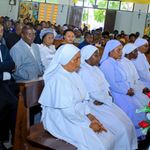
Beyond economic challenges, religious leaders across are calling for reflection, reconciliation, and a recommitment to national unity. The Archbishop of the Mennonite Church, Mr Nelson Kisare, said Tanzania has been deeply shaken by the events of October 29, which he noted have affected peace, solidarity, and trust among citizens.

“As a nation, we must reflect on what brought us here,” Archbishop Kisare told The Citizen.

“No single person has all the answers. We must sit together, speak with love and trust, and seek reconciliation not by force, but collectively,” he added.

He emphasised that lasting peace can only be achieved through love, tolerance, and open dialogue. At the same time, he warned against silencing voices, saying suppression only deepens wounds.

“Suppression is cruelty,” he said, stressing that freedom of expression should always be exercised responsibly and within the law.

Similarly, the Bishop of the Evangelical Lutheran Church in Tanzania (ELCT), Karagwe Diocese, Dr Benson Bagonza, urged believers and society at large to live out Christmas values beyond December 25.

He argued that celebrations have become brief and superficial, failing to reflect the daily realities many Tanzanians face.

“Christmas should be a time of self-giving, care, and lasting love,” Bishop Bagonza said. “But for many, it has become about nice clothes for one day and special meals for one day, while life returns to hardship immediately after.” He questioned why generosity and unity appear only during the festive season.

“Some decorate their houses only at Christmas. Some go to church and give large offerings on Christmas Day, despite not attending all year,” he said.

According to the bishop, Christmas has increasingly become “a festival of pretence”, driven by promotional discounts and one-day acts of kindness that quickly fade.

He called on individuals, institutions, and leaders to make compassion and justice a continuous practice rather than a seasonal performance.

Mental health professionals have also highlighted the emotional toll the year’s events have taken on individuals and families.

Therapist Charles Kalungu said the government and community leaders have a responsibility to support healing through inclusive and compassionate programmes.

“Many people are not emotionally stable,” he said. “Leaders, especially during the festive season, should preach peace and avoid harsh language. Healing takes time, and words matter,” he said.

Psychologist Modesta Kimunga noted that families affected by disasters, violence, or loss face long-term mental health challenges that do not disappear with the holidays.

She urged Tanzanians to acknowledge the difficult period they have endured and focus on rebuilding their lives with patience and mutual support.

“Those who lost loved ones need time, understanding, and people to talk to,” she said.

She encouraged the use of faith, family support, counselling, and constructive activities as part of the healing process, especially for children and young people.