MCL
|
MwanaClick
Home
National
international
More
•••
Sign in
My Account
Personal details
Change password
Purchases
Sign out
Search
Home
News
National
international
Sports
Football
Basketball
Athletics
Swimming
Business
Finance
Enterprise
Boss Talk
OpEd
Editorials
Our Columnists
Guest Columns
Cartoon
Puzzles
Zanzibar
Tourism
Blue Economy
Real Estate
Tech Page
Magazines
The Beat
Smart World
Political Reforms
Market Data
Jobs
Notices
Tenders
Notices
Tenders
Services
MCL
MwanaClick
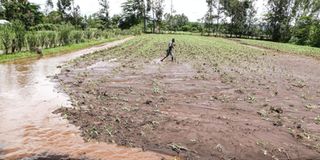
WMO issues El Niño alert as trade, food supply at risk
Tuesday, September 08, 2026
- 2 min read
By
Hellen Nachilongo
Related
NFRA boosts food security amid El Niño threat
Operators step up preparations after authorities’ El Niño warning
Latest
Manqoba, fitness coach Mokaila sacked by Yanga
Tanzania steps up Afcon 2027 preparations
Tanzania seeks ways to curb sexual performance product use among youth
Tanesco Sacco assets double to Sh87 billion
Nado fires Azam into Confederation Cup group stage
Manqoba under scrutiny after Yanga’s second straight setback
In the headlines
View All
UDSM exam changes raise concerns over delayed graduation, costs
Lissu threatens hunger strike over access to lawyers
Tanzania seeks ways to curb sexual performance product use among youth
Tanzanians risk millions in Instagram account deals