Operators step up preparations after authorities’ El Niño warning

Dar es Salaam. Tanzania’s transport operators are stepping up preparations for possible disruptions from heavy rains expected during the coming October-December season.

The preparations follow a warning from the Tanzania Meteorological Authority (TMA) that the country could experience above-normal rainfall during the vuli season amid a possible strong El Niño.

TMA director general Dr Ladislaus Chang’a said sea surface temperatures in the central equatorial Pacific Ocean reached 2.2°C in August and were expected to rise to 3.6°C by December.

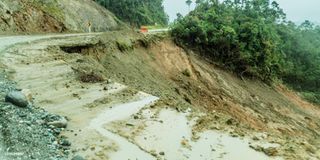
He warned that severe weather could damage transport infrastructure, including roads, bridges, ports and railway networks, while flooding and soil erosion could disrupt services and increase the risk of accidents.

The warning has prompted Tanzania Railways Corporation (TRC) to prepare its Metre Gauge Railway (MGR) and Standard Gauge Railway (SGR) networks for possible disruption.

TRC director general Machibya Masanja said the corporation was treating the weather warning as a signal to prepare before the rains arrive.

“We have received the information and the warning. A warning must be acted upon,” he said.

Mr Masanja said preparations were focused on ensuring railway infrastructure was ready to withstand possible damage and putting in place operational measures that could be activated if conditions deteriorated.

“The aim is to minimise the impact. Challenges may occur, but if you are prepared, the impact can be much smaller than if you had done nothing,” he said.

He said TRC could not predict which sections of the railway network might be affected or the extent of any damage, but the corporation was preparing for different scenarios. The corporation has emergency funds, machinery, equipment and response teams that can be deployed when necessary, he said.

Mr Masanja said operational protocols would also be developed to guide decisions on railway services during flooding or other weather-related disruptions.

“If the impact occurs, we have operational protocols that will allow us either to continue providing services safely or restore them as quickly as possible,” he said. Meanwhile, the Tanzania Bus Owners Association (Taboa) has advised operators to service their vehicles and ensure they are in good mechanical condition before the rainy season.

Taboa Secretary General Priscus Joseph said operators needed to prepare for difficult road conditions associated with heavy rainfall. “With the kind of El Niño we are expecting, operators must make sure their vehicles are properly maintained.

Heavy rains can make roads more difficult and dangerous to use,” he said. He said operators would also have to adjust their schedules depending on road and weather conditions, with some journeys potentially delayed or cancelled where travelling became unsafe.

“It is better to arrive late than to put people’s lives at risk,” Mr Joseph said. He said operators would assess road conditions before allowing buses to continue with their journeys.

The preparations come as transport operators seek to reduce the impact of possible flooding, damaged roads, washed-out embankments and other infrastructure failures on the movement of passengers and goods.

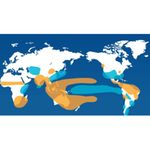
El Niño is a climate phenomenon associated with unusually warm sea surface temperatures in the central and eastern tropical Pacific Ocean. It can alter atmospheric circulation and rainfall patterns far beyond the Pacific region, affecting weather conditions in parts of Africa and other continents.

In Tanzania, the phenomenon can contribute to episodes of heavy rainfall, particularly when it coincides with other atmospheric conditions that favour intense precipitation.

Such rains can overwhelm drainage systems, flood roads, weaken railway embankments and wash away sections of infrastructure, creating difficulties for the movement of passengers and cargo.