Over two centuries after cloves (Syzygium aromaticum) were first cultivated on a commercial scale in East Africa, this fragrant spice continues to hold a pivotal place in the region’s socio-economic fabric. Yet, its role is evolving under the pressures of global markets, agronomic challenges and shifting strategic priorities.
Cloves are not indigenous to Africa. They were introduced to the Zanzibar archipelago in the early 19th century by Said bin Sultan, the Sultan of Oman. Following the abolition of the slave trade, the Sultan transformed Zanzibar’s economy by establishing plantation agriculture that involved the planting of hundreds of thousands of clove trees to offset revenues lost from human trafficking.
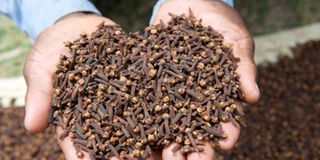
By the 1830s, clove cultivation had taken firm root, with early plantations producing measurable harvests within a few years—an extraordinary achievement, given that cloves typically take six to ten years to yield significant produce and up to two decades to reach full maturity.
Cloves rapidly became the cornerstone of Zanzibar’s export economy. During the late 19th and early 20th centuries, they were more than a cash crop; they symbolised a global trade network, passing through Indian, European and American markets.
By the mid-20th century, Zanzibar had earned a reputation as one of the world’s preeminent clove producers, exporting nearly 31,000 tonnes annually and influencing global spice prices. Over time, however, production shifted as larger-scale producers emerged in Southeast Asia.
The post-colonial period brought dramatic fluctuations in output and export revenue. Zanzibar’s annual clove production peaked at approximately 16,000 tonnes in the 1970s—a figure unmatched in later decades.
By the 1980s and 1990s, structural challenges such as aging trees, limited replanting and policy bottlenecks contributed to steady declines. Export volumes fell from around 10,800 tonnes in the early 1980s to about 3,500 tonnes by 1990.
In the 21st century, production has remained volatile rather than steadily increasing. From 2015 to 2020, Zanzibar’s clove output ranged between 1,690 and 8,277 tonnes, reflecting agronomic instability, shifting market dynamics and resource constraints.
Statistical models suggest a generally flat trend, with intermittent recoveries but no sustained upward trajectory, highlighting the fragility of the sector.
Today, cloves face a complex array of pressures:
• Aging trees: Many clove plots in Unguja and Pemba are beyond peak productivity, necessitating extensive replanting programmes
• Crop diseases: Emerging pathogens have affected hundreds of thousands of trees, further limiting yields
• Market competition: Indonesia and Madagascar dominate global clove exports, making it difficult for East African producers to reclaim market share
• Regulatory barriers: New European Union organic certification standards have restricted exports from traditional smallholder farms, forcing producers to either adapt or forfeit high-value markets
By late 2025, these challenges culminated in a dramatic downturn. Zanzibar’s clove export earnings reportedly fell by approximately 76 percent compared to the previous year, from nearly $28.8 million to around $6.3 million, with export volumes declining in tandem.
Recognising the enduring cultural and economic significance of cloves, governments and stakeholders have launched strategic interventions.
Tanzania has promoted scientific modernisation, including mechanised sampling and quality analysis, to enhance yields and meet international standards.
Non-traditional producers, including those in Morogoro and Tanga, have initiated joint clove seedling programmes, distributing hundreds of thousands of seedlings to rejuvenate aging trees, extend productive lifespans and establish new orchards.
Efforts to diversify markets and liberalise export channels, including allowing open sales beyond traditional state-controlled systems, are gaining momentum—all with the aim of increasing production and expanding market access.
These initiatives reflect a broader desire to stabilise clove production and enhance its value within a diversified agricultural economy that now includes cinnamon, pepper, nutmeg and cardamom as complementary export crops. Looking forward, the future of cloves in Africa hinges on several critical trends:
1. Climate-smart cultivation: Investments in drought-resilient rootstocks, adaptive agroforestry practices and precision irrigation are essential to safeguard yields against erratic weather.
2. Value-added processing: Moving beyond raw spice exports to finished products such as essential oils, therapeutic extracts and flavoured derivatives will increase margins and protect producers from commodity price volatility.
3. Regional integration: African agricultural blocs must establish specialised export corridors, harmonise quality standards and negotiate collective market access treaties to strengthen the continent’s negotiating power.
4. Youth engagement and technology: Attracting younger farmers through land incentives, digital agronomy platforms, and finance access and market intelligence tools is crucial for modernising production.
5. Certification and branding: Region-specific certification schemes highlighting ESG compliance, sustainability, heritage and quality will unlock premium segments in North American, European and Asian health and culinary markets.
From its 19th-century origins as a colonial cash crop to its current status as a symbol of cultural heritage and agricultural potential, cloves have been intricately woven into the economic and social tapestry of East Africa.
Yet, as global markets shift and internal challenges persist, securing the next 200 years of clove prosperity will demand innovation, collaboration and resilience.
Ultimately, the legacy of cloves in Africa will not be measured merely in tonnes exported, but in the ability of communities and economies to transform tradition into sustainable economic opportunity, melding centuries-old cultivation knowledge with 21st-century science and strategy.
Register to begin your journey to our premium contentSubscribe for full access to premium content