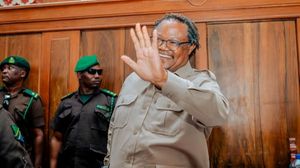
Samia’s call for unity, restraint and national healing in a moment of crisis
By Nia Kileo
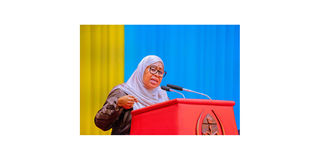
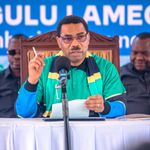
In her 2 December 2025 address to the Dar es Salaam Council of Elders, President Samia Suluhu Hassan offered a calm and measured message to a nation reeling from recent unrest.
Speaking with the firmness that has come to define her crisis leadership, she framed the moment as an opportunity for clarity, discipline and national healing.
The President distinguished between constitutional demonstrations and orchestrated destruction. She described the events of 29 October as a “broad, coordinated effort” with internal and external sponsorship, aimed at destabilising the country and inflicting maximum political and emotional damage.
Her invocation of her oath of office, protecting the nation, its people, borders, and property, underscored the necessity of the state’s response.
Acknowledging the widespread pain, President Hassan reminded citizens: “When one Tanzanian suffers, we all suffer.” Her empathy extended to every life lost or affected, reinforcing Tanzania’s identity as a peaceful and cohesive society and signalling her commitment to dialogue and transparency.
Protecting the lifeline
Dar es Salaam, home to six million people and responsible for 17 percent of the national revenue, serves as the country’s commercial and logistical backbone. President Hassan warned that attempts to destabilise the city threaten livelihoods nationwide, stressing that economic chaos has consequences far beyond the streets where it occurs.
Proportionate state response
Defending security agencies’ actions during the unrest, she affirmed: “The force used was proportionate to the incident.” She framed the response as a constitutional obligation rather than aggression.
Guidance for religious institutions
Addressing faith leaders, she urged them to maintain their spiritual mission without political interference, reminding them that all authority is ultimately derived from God.
Constitutional reform: progress on Tanzania’s terms
The President reiterated the government’s commitment to reform, highlighting that 90% of recommendations from the Maridhiano process are complete, the October 29 inquiry will proceed, and reforms must follow a responsible and sequential process. Her message was clear: progress will not be dictated by threats or external pressure.
Rejecting tribalism and imported divisions
President Samia warned against ethnic, religious, or regional polarisation and cautioned against importing foreign political practices that encourage confrontation and unrest.
Digital manipulation and fear as destabilisation tools
She highlighted the role of misinformation, online incitement, and diaspora-led campaigns in fuelling unrest, framing destabilisation as both psychological and physical warfare. Fear, she explained, undermines business, confidence, and national development.
Sovereignty and national responsibility
The President emphasised that Tanzania’s reforms and future will be shaped by Tanzanians, not foreign actors. Invoking the familiar phrase, “Mjenga nchi ni Mwananchi,” she reminded citizens that national stability depends on their own vigilance and responsibility.
Youth and national guardianship
To the nation’s youth, she delivered a cautionary but empowering message: resist manipulation, protect the country’s peace, and act as guardians of truth and unity.
Preparedness, not intimidation
Responding to rumours of further unrest, she reassured citizens: “We are well prepared; we are ready whenever they decide to act again.” This was a message of reassurance, not threat.
Conclusion: unity, wisdom, and shared responsibility
President Samia’s address was a call for maturity, restraint, and collective wisdom. She positioned herself as a leader committed to stability, dialogue, and reform, urging Tanzanians to rise not in anger, but with clarity; not in division, but with unity; and not in haste, but with steady resolve.
Her message was simple and powerful: Tanzania will heal—but only if its citizens protect the peace that has carried them this far.
Mr Kileo is a political analyst, based in Dar es Salaam