As Tanzania and Zanzibar commemorate 200 years of spice cultivation and trade in Africa, a daring new initiative is emerging that could redefine how natural resources contribute to inclusive economic transformation.
The Spices Education Fund, rooted in Tanzania’s unparalleled horticultural endowments like cloves, pepper, cinnamon, and seaweed, aims to unlock sustainable education financing, community empowerment, and national development for generations.
Rooted in a strategic partnership between Tanzania Horticultural Association (TAHA) and Umoja Conservation Trust (UCT), with partners like the Ministry of Education and Vocational Training Tanzania, Ministry of Agriculture, Livestock, Natural Resources and Irrigation, Ministry of Community Development, Gender, Edery and Children, Ministry of Regional Administration and Local Authorities (TAMISEMI), Zanzibar Revenue Authority (ZRA), Zanzibar Association of Local Authorities (ZALGA), and Association of Local Authorities of Tanzania (ALAT), this Fund aims to convert natural capital into human capital.
The major goal is to ensure that the bright but economically disadvantaged students in Tanzania access quality education while strengthening rural economies.
Tanzania’s horticultural and spice sectors are on an upward trajectory and are recognized as pivotal growth drivers.
For the last 200 years, they have been Tanzania’s competitive advantage. In the year ending March 2024, horticultural exports (including high-value spices) reached $417.9 million, a remarkable 40.6 percent increase year-on-year.
The sector now accounts for more than 38% of total agricultural exports, positioning Tanzania’s horticulture industry as a leading source of foreign revenue and economic diversification. Tanzania has set an ambitious target of $2 billion in horticultural export earnings by 2030 under its national Agenda 10/30 strategy, supported by policy incentives and investment in competitiveness.
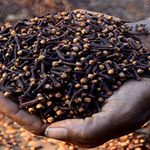
Cloves remain central to Africa’s heritage, with Zanzibar historically among the world’s top producers. Clove and spice production encompass more than 90 percent of Tanzania’s spice export portfolio and historically contributed deep value (more than 74pc) to the islands’ trade.
The crop’s cultural legacy and economic relevance make it apt as an anchor for socio-economic innovation.
The spices education fund
The novel Spices Education Fund will be charged with transforming traditional agricultural earnings into a predictable, sustainable financing mechanism for education at all levels—primary, secondary, tertiary, and vocational.
Rather than relying solely on government budgets or donor funding, the Fund will harnesses agricultural revenue streams tied directly to Tanzania’s spice, horticulture and seaweed value chains.
Under this framework: a defined portion of clove, pepper and spice earnings will be statutorily allocated to the Fund; revenues from community and school-based spice and seaweed plantations will contribute to local financial sustainability; collaborating local governments are to integrate Fund allocations into Green Economy plans and education budgets; the Fund would then underwrite scholarships, infrastructure, vocational training, teacher development, and community learning hubs.
Best practice shows that resource-linked education endowments create long-term stability and resilience, akin to sovereign wealth models that transform commodity earnings into broadly shared societal benefits. The Spices Fund will be uniquely positioned to adapt this principle to Tanzania’s agro-natural assets.
While exact figures fluctuate with global market trends, Tanzania’s horticulture sector’s rapid growth reflects the nation’s potential on the global stage.
With a flourishing horticulture export value reaching hundreds of millions of dollars annually and ambitious 2030 targets, the Foundation for linking agricultural wealth to education financing is full-bodied.
Despite periodic volatility, such as recent sharp decline in clove export earnings due to international oversupply and price pressures, Tanzania’s broader agricultural sector remains diversified and ripe for value-chain upgrading.
The proposed Fund aligns with several strategic national and local priorities:
National green economy
Local governments across Tanzania should be implored to integrate and enhance horticultural production into green economy initiatives, prioritizing sustainable agricultural value chains and natural resource management as engines for employment and revenue.
The Spices Education Fund serves as an applied mechanism for linking local agricultural growth to social investment, ensuring rural communities and schools benefit from local production.
The ongoing Tanzania and Zanzibar Greening Schools Campaign (A commemoration activity for 200 years of karafuu industry in Tanzania) continues to engage pupils and youth in cloves and spices planting, sustainable agriculture and environmental stewardship.
As and when the participating schools start to generate revenue from their spices and seaweed plots, they will begin to contribute directly to the Fund, making education financing a living classroom lesson in sustainable development.
With increased strategic implementation across Tanzania between 2025 and 2030, the Spices Education Fund is projected to: increase access to education for thousands of students annually through need-based support, lowering drop-out rates and widening tertiary participation; anchor rural economies by incentivizing spice and horticulture value addition activities linked to school and community enterprises; formalize education financing streams, reducing reliance on government budget volatility and external donor cycles; enhance skills and employment outcomes, as students transition into agriculture, processing, agritech and export sectors strengthened by national export targets.
By aligning SEF governance with transparent oversight and community representation, this stellar model will also catalyse accountability and civic participation.
A Legacy for the Next 200 Years
As Africa celebrates two centuries of spice cultivation and export, the Spices Education Fund offers am innovative legacy where natural resources that once enriched traders and merchants can now empower learners and local communities.
When Tanzania’s spices and horticultural produce find their way into world markets, part of that value will flow back into classrooms and training centers, fuelling human capital for decades to come.
In doing so, this Fund will honour Zanzibar’s heritage as a Spice Island and also lay the foundation for an education system that is self-financed, locally rooted, globally competitive and socially transformative.