The water cost of development in Tanzania: Call for corrective action
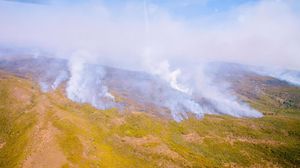
Deforestation linked to mining, charcoal production and commercial agriculture remains alarmingly high in Tanzania. PHOTO | FILE
What you need to know:
Historically, Tanzania has enjoyed relatively plentiful renewable freshwater resources. It is estimated that Tanzania enjoys 96.27km³ of water resources per year, equivalent to about 2,266 m³ per person, above the global water stress threshold of 1,500m³.

By Bryan Bwana
Tanzania stands at a critical development crossroads. Blessed with rich natural resources, expansive agricultural and agroforestry potential, vast water surface and underground water bodies and abundant biodiversity, the nation has pursued economic growth through infrastructure expansion, mining, urbanisation and commercial agriculture.
Yet these pathways have carried a steep environmental and water cost, one that now threatens the resilience of ecosystems and the viability of Tanzania livelihoods.
That very steep environmental and water cost now also threatens the equitable development goals of the nation and the region as outlined in Africa’s Agenda 2063.
Historically, Tanzania has enjoyed relatively plentiful renewable freshwater resources. It is estimated that Tanzania enjoys 96.27km³ of water resources per year, equivalent to about 2,266 m³ per person, above the global water stress threshold of 1,500m³.
However, rapid population growth, climate change and rising consumption have sharply eroded this buffer. Projections suggest that by the end of this year (2025), Tanzania will cross into water stressed status as per capita renewable water resources fall below the 1,500m³ threshold.
The uncoordinated planning of water infrastructure exacerbates the challenge. Seasonal variability means even major rivers can shrink dramatically in dry months, while high rainfall regions can experience flooding that traditional infrastructure fails to manage.
Tanzania’s mining sector, a key growth driver contributing an estimated 10.1 percent of GDP in 2024, has delivered many jobs and great exports but with significant environmental tradeoffs.
Small scale and large scale operations regularly clear vegetation, disrupt soil structures and release untreated runoff into rivers and aquifers. Mercury and cyanide used in gold processing, for example, have been found in local water bodies at levels far above safe limits, threatening both human health and aquatic life.
Deforestation linked to mining, charcoal production and commercial agriculture remains alarmingly high. Tanzania lost nearly 3.2 million hectares of tree cover between 2001 and 2023, roughly a 12 percent decrease, with clear repercussions on watershed health, carbon storage and rainfall patterns.
The loss of forest cover reduces soil stability and limits natural water infiltration, undermining aquifer recharge and increasing the severity of both droughts and floods.
In Zanzibar, (land with limited forest cover), rapid urban expansion has caused more money than 14.5 percent-22 percent loss in forested area over three decades, with consequential declines in groundwater recharge from 15.5 million m³ to 11.1 million m³, testing the sustainability of urban water supplies.
Waste management in Tanzania continues to lag behind the scale of urbanisation. Although national figures on untreated domestic wastewater are incomplete, it is estimated that only about 16 percent of wastewater is safely treated, indicating widespread contamination risks for surface and groundwater.
The untended discharge of industrial and urban waste degrades water quality, posing escalating public health and ecosystem hazards.
In urban regions, the inadequate collection and disposal of solid waste compounds water resource degradation. Waste often obstructs drainage systems, which contributes to flooding and the mixing of polluted water with community water supplies.
Uncoordinated development planning
A recurring theme across these national environmental pressures is poorly coordinated planning. Land use decisions that favour short term economic gains, such as clearing forests for export crops or granting mining concessions without strict environmental safeguards, undermine long term sustainability.
Weak enforcement of environmental and social impact assessments (ESIAs) and overlapping mandates among regulatory authorities further dilute accountability.
Yet there are positive signs: Phase III of the Water Sector Development Programme (WSDP), aligned with the Tanzania Development Vision 2025, Five Year Development Plan III and Africa Agenda 2063, commits $6.46 billion to integrated water resources management, infrastructure expansion and governance reforms through 2026.
Women and girls bear significant burdens from water scarcity, spending time collecting water at the expense of education and income generation. Expanded access initiatives have improved services for millions, yet the rural–urban disparity remains stark.
Immediate corrective steps
To transition toward a sustainable development pathway, one that respects ecological limits, supports inclusive growth and aligns with AU Agenda 2063’s call for ‘environmentally sustainable and climate resilient economies’ — Tanzania must take several urgent actions:
1. Strengthen Integrated Water Resources Management (IWRM): Implementation of IWRM must accelerate beyond its current 54 percent adoption rate, embedding cross sectoral planning in national and regional development decisions. This would harmonise water, land and environmental policies to reduce conflict and over extraction.
2. Scale climate-smart agriculture and irrigation: Given agriculture’s dominant water use, the adoption of water efficient irrigation (such as drip and precision irrigation) and drought resilient cropping systems will alleviate pressure on freshwater resources while improving productivity.
3. Enforce stronger environmental regulations: Mining, construction, transportation and large agricultural projects must be subject to rigorous and continuous EISAs processes with full transparency, measurable mitigation plans and strict penalties for non-compliance.
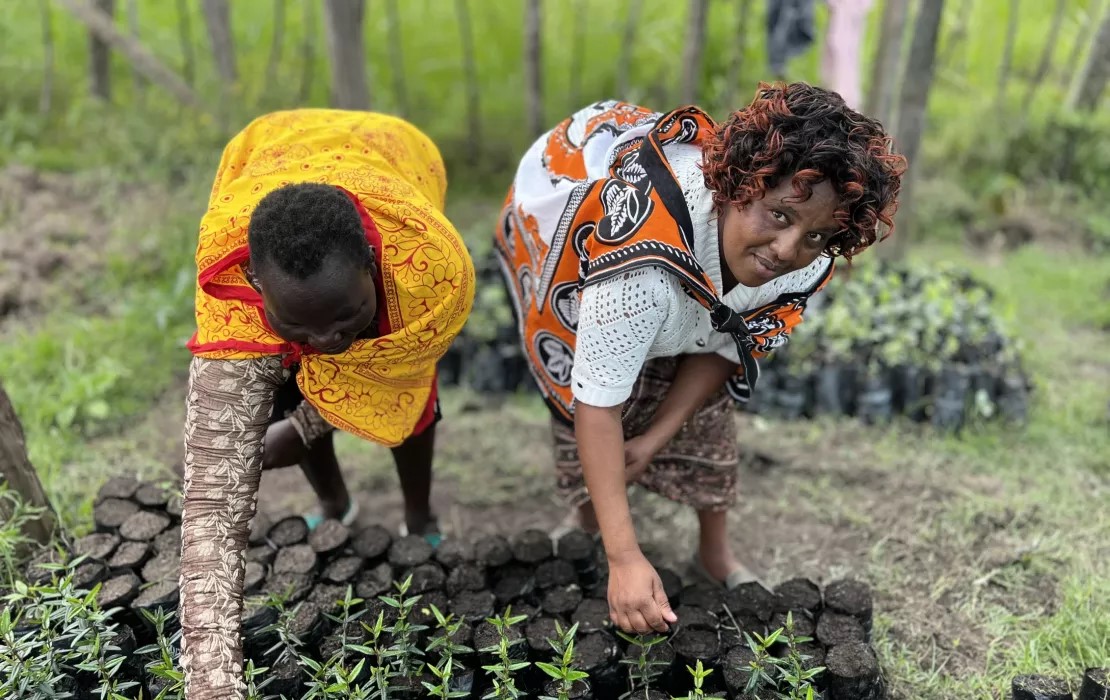
4. Restore forests and catchments: Reforestation and protection of critical watersheds would improve aquifer recharge, stabilise soils and boost biodiversity. Community based forestry initiatives should be linked with economic incentives. All sectors (public and private) should be mandated to carry out community reforestation and water catchment protection projects!
5. Reform waste and pollution management: Investment in wastewater treatment infrastructure, recycling systems and municipal waste services must be prioritised. Public–private partnerships can expand capacity rapidly at scale.
6. Expand public awareness and governance transparency: Civil society, traditional leaders and local communities must be included in planning processes to ensure environmental stewardship is a shared responsibility.
Tanzania’s environmental and water stress challenges are not isolated ailments but interconnected reflections of development decisions made over decades.
With strong political will, integrated planning and adherence to global sustainability standards — as envisioned in AU Agenda 2063 and SDG frameworks — Tanzania can turn the tide, transforming resource constraints into engines of resilient growth and shared prosperity.
Bryan Toshi Bwana is the Founding Trustee of Umoja Conservation Trust (UCT). www.umojaconservation.org