Zanzibar lawmakers flag revenue loss from tax exemptions
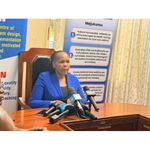
Women Special Seats Representative, Ms Moza Mohamed Khamis, ACT-Wazalendo, contributes to the government budget debate in the House of Representatives at Chukwani, Unguja, Zanzibar on Tuesday, June 16, 2026. PHOTO | JESSE MIKOFU
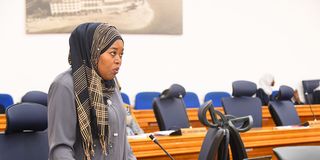
Unguja. Members of the House of Representatives have expressed concern over the rising number of tax exemptions, warning that they are eroding domestic revenue at a time when the government remains heavily reliant on taxation to finance its budget.
The concerns were raised on Tuesday, June 16, 2026, during the second day of debate on the main government budget at the House of Representatives in Chukwani, Unguja, Zanzibar.
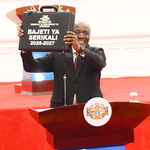
The budget, presented on Thursday, June 11, 2026, totals Sh8.5 trillion.
Tabling the estimates, Minister for Finance and Planning, Dr Juma Malik Akil, said 475 tax exemption applications were received, of which 365 met the required criteria.
During the debate, Special Seats Representative, Ms Moza Mohamed Khamis, ACT Wazalendo, said the growing number of exemptions was worrying, arguing that some beneficiaries were large commercial entities capable of paying taxes.
“These exemptions are too many and too large. We cannot achieve our revenue targets under this system. Even hotels operating profitable businesses are sometimes granted exemptions,” she said.
Ms Khamis said exemptions were not inherently problematic, but insisted that eligibility criteria must be tightened to ensure they are limited to priority sectors such as education and institutions importing essential equipment.
She added that the government was also borrowing to finance public institutions, despite expectations that such entities should generate income and contribute to state revenue.
She noted that more than Sh200 billion had been allocated in the budget for lending to public institutions, arguing that stronger planning could reduce borrowing and ease public debt pressure.
“In many countries, public corporations pay dividends to governments. Here, the government is the one lending to them,” she said.
Kiembesamaki Representative, Mr Abdulla Kambotwe Abdulla, CCM, said while tax exemptions were important, the Sh280 billion involved was substantial and required stronger justification.
He questioned whether the government had assessed the economic returns of exemptions in terms of investment, job creation, and growth over the past five years.
“We need to know what we are gaining from these exemptions. They should not be granted without proper evaluation,” he said.
Ziwani Representative, Mr Mohamed Ali Salim, ACT Wazalendo, said exemptions largely benefit large taxpayers while ordinary citizens bear a heavier tax burden.
He warned that revenue shortfalls created by exemptions were being passed on to citizens through higher taxes on goods such as vehicles.
“It is unfortunate that the budget has not introduced new revenue streams. We continue relying on the same sources while increasing taxes instead of expanding the tax base,” he said.