Dar es Salaam. Bus operators in Tanzania are preparing for a major shift in the country’s public transport sector, with plans to introduce electric buses as early as next year.
The initiative marks a significant step towards greener and more efficient travel for thousands of commuters who depend on long-distance and intercity services.
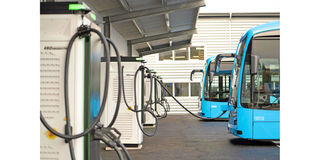
For Shabiby Company Limited, one of the country’s largest fleet operators, the transition is already underway.
The firm’s manager, Mr Edward Magawa, told The Citizen that preparations are progressing well as the operator moves towards adopting electric mobility.
Mr Magawa said the company has long maintained a strong partnership with Yutong, a leading bus manufacturer, positioning Shabiby among the brand’s largest clients in the region.
This relationship, he noted, has laid the foundation for Shabiby’s entry into the electric bus era.
“We are among Yutong’s biggest clients, and starting next year, we expect to begin procuring electric buses. We have already placed an order for about 30 units, which are scheduled to start arriving by January,” he said.
He added that the arrival of the first batch will signal the start of a trial phase aimed at assessing how the buses perform under Tanzania’s diverse road conditions.
The company plans to launch test routes linking Dar es Salaam, Dodoma and Arusha—selected for their moderate distances and high passenger traffic.
“We will also test a longer route from Dodoma to Sumbawanga so we can evaluate how the buses perform on rough terrain and in hilly areas,” he said.
Mr Magawa added that the trials will help the company adjust operations and ensure passengers continue to enjoy reliable and comfortable services.
According to Mr Magawa, Shabiby has invested heavily in preparing for the transition, including staff training and facility upgrades to support the new fleet.
He emphasised that passengers should expect the same standard of safety, comfort and quality for which the company is known, even as it experiments with new technology.
The issue of transport fares is also under consideration. Mr Magawa said that because the first phase will be a pilot, the company will work closely with the Land Transport Regulatory Authority (Latra) to determine appropriate fare structures.
“If the buses prove to be cost-effective, fares are likely to go down, so our customers should be prepared for that possibility,” he said.
Director of Kimbinyiko Bus Company, Mr Ferdnand Mabumo, confirmed that his firm also plans to start importing electric buses next year.
Procurement is expected to begin in February, with the first batch due to arrive in May.
“To start with, we will order five buses and gradually expand the fleet as we move forward. Once they arrive, we will then identify the most suitable routes,” he said.
Mr Mabumo added that the introduction of electric buses represents a pivotal moment for Tanzania as it looks towards a cleaner and more modern transport future—one that promises enhanced travel experiences and long-term environmental benefits.
Register to begin your journey to our premium contentSubscribe for full access to premium content