Dar es Salaam. Tanzania’s agribusiness sector is entering a pivotal moment as exporters tap into one of the world’s largest and most dynamic consumer markets in China.
From cashew processors in Mtwara to avocado growers in the Southern Highlands and seaweed farmers along the coast, producers are increasingly positioning their products for Chinese buyers whose demand for African agricultural goods continues to rise.
Experts say China’s recent decision to provide zero-tariff access to nearly all African countries has created a more level playing field for exporters looking to expand their footprint.
For Tanzania where agriculture accounts for almost 30 percent of GDP and supports millions of livelihoods, this shift presents a strategic window for growth.
According to the Head of Agribusiness at Stanbic Bank, Benifrida Tarimo, Tanzanian producers are becoming more export-oriented and better prepared to meet stringent market requirements.
“We are seeing agribusinesses enhance their processing standards, invest in certifications and adopt more market-driven production approaches.
The China market rewards consistency and quality, and Tanzanian exporters are rising to that challenge,” she said.
Across China’s major cities, demand for niche and health-conscious foods continues to expand, she said. “This has placed Tanzanian commodities such as organic honey, seaweed, cashew kernels, and specialty coffees in a favourable position.”
Exporters report that the Chinese market prefers traceable products with clear branding and added value, factors that local producers are increasingly adopting.
Experts say seaweed, which is grown along Tanzania’s coastline, has particularly strong prospects. Chinese buyers use it for food processing, pharmaceuticals and cosmetics.
Producers in Zanzibar and coastal Tanzania say inquiries have risen sharply. “We have seen a steady increase in Chinese interest, especially for high-quality dried seaweed,” notes trader based in Pemba, Juma Ali.
“Our biggest hurdle has been scaling supply and meeting certification requirements, but the opportunities are undeniable,” he added.
The China International Import Expo (CIIE) has become a crucial marketplace for African agribusinesses. The platform allows exporters to showcase their products, study market preferences and connect directly with buyers.
Recent experiences from South African rooibos tea producers and Ugandan coffee exporters, who secured multimillion-rand contracts after participating in the expo, underscore the potential.
As Standard Bank’s CEO for Business and Commercial Banking, Bill Blackie, observed: “Platforms such as CIIE create an opportunity for SMEs to amplify their growth. This is where possibility meets reality as businesses secure new partnerships and access global buyers.”
Tanzanian exporters participating in recent expos say the events have been instrumental in helping them understand packaging preferences, flavour profiles and branding strategies required for Chinese consumers.
While global demand is rising, the journey from farm to export market remains demanding. Many producers must navigate challenges related to logistics, certification, and financing.
This has increased the need for integrated export-support systems that can help agribusinesses meet the scale and quality demanded by foreign markets.
Ms Tarimo noted that financing remains a crucial ingredient for growth. “Exporters need capital that matches the agricultural cycle-from production and storage to shipment.
Access to trade finance, working-capital loans and advisory support is helping businesses match China’s volume requirements,” she explained.
There is also a wider push for value addition within Tanzania. Cashew processors are expanding local shelling facilities, coffee cooperatives are improving washing and grading systems, and honey producers are upgrading extraction and packaging equipment.
“The goal is to move beyond raw commodities and enter the higher-value segments that Chinese buyers increasingly demand,” said Ms Tarimo.
Despite the optimism, the China market is not without hurdles. Exporters cited three key challenges: the need for faster logistics connections, the complexity of phytosanitary requirements, and price competition from other countries supplying similar products.
Agricultural economist Prof Aidan Kwayu said the opportunity remains strong but requires coordinated investment.
“China is a vast market, but penetration requires consistency. Tanzania needs to strengthen its cold-chain capacity, improve certification processes, and support farmers with modern production techniques,” he said.
He added that regional blocs such as the EAC could jointly negotiate on standards and logistics to strengthen competitiveness.
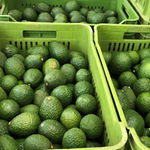
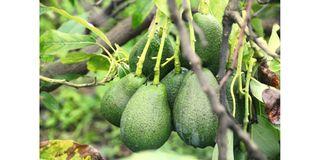
Cashew regions such as Mtwara and Lindi already report improved incomes due to growing demand from Asia. Similarly, avocado cooperatives in Njombe and Iringa are scaling up production specifically for the Chinese market.
“What we are witnessing is a structural shift. Exporters are no longer responding to demand, they are actively positioning themselves for it. China offers scale, and Tanzanian agribusinesses are ready to grow,” Ms Tarimo said.
As Tanzania sharpens its export strategies and as market links strengthen through cross-border platforms like CIIE, the country stands poised to capture greater value from its agricultural potential
Register to begin your journey to our premium contentSubscribe for full access to premium content