And yet, as heartbreaking as it is, her story is not rare. It is not unique. It is not even shocking anymore, and that, perhaps, is the most terrifying part.
A friend of mine lost her classmate just days before their graduation, also to a bodaboda accident. I lost a close friend in 2021 the same way. Two of my colleagues survived severe injuries from bodaboda crashes. Broken bones. Lingering pain. Altered lives.
These are not statistics to me. These are names. Voices. Futures that were still unfolding. So with all that weight sitting in my spirit, I did what many of us do when grief meets frustration… I went looking for answers.
Are bodabodas legal public transport in Tanzania?
Yes, they are. How many people die or get injured every year from bodaboda accidents? Hundreds.
From 2023 alone, more than 300 deaths were recorded, and the numbers have been rising year after year. Rising. Not stabilising. Not reducing. Rising.
Let that sink in. We are not talking about freak accidents or isolated cases. We are talking about a pattern. A system that keeps failing people in predictable, preventable ways.
And so my question to the authorities is painfully simple... How many people must die in a year before action feels urgent enough? How many weddings must turn into funerals?
How many graduations must be replaced with memorials? How many parents must bury children?
How many children must grow up without parents?
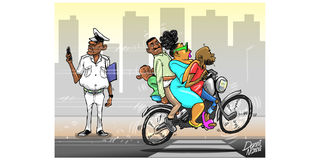
Because right now, what we are doing feels like collective acceptance. As if bodaboda deaths are the cost of convenience. As if broken bodies are collateral damage in our daily commute.
Yes, bodabodas fill a transport gap. Yes, they provide livelihoods.
Yes, they are fast, accessible, and everywhere.
But convenience without safety is negligence.
Livelihoods without regulation become death traps.
If motorcycles are recognised as public transport, then where is the seriousness that comes with that recognition?
Where is the consistent licensing? Where is the mandatory training?
Where is the enforcement of helmet use for both rider and passenger? Where is the data-driven response to accident hotspots? Where is the urgency?
We cannot keep reacting with press statements and temporary crackdowns after tragedy trends on social media. We cannot keep acting shocked by numbers we have allowed to grow.
And to us, the passengers, this conversation is also uncomfortable. Because sometimes we know the ride is unsafe, and we still climb on. Sometimes we accept overloading. Sometimes we prioritise speed over sense. Sometimes we normalise risk because “ni boda tu”.
But normalising danger does not make it harmless.
This is not a call to ban bodaboda.
It is a call to respect life more than convenience.
Regulate them properly.
Train riders seriously.
Protect passengers deliberately.
Treat every death as one too many, not as an annual statistic. Because the bride who died last month was not planning to be a cautionary tale. My friend did not wake up in 2021 knowing that would be his last ride.
That classmate was supposed to graduate, not be mourned.
So again, I ask, how many people should die in a year before we decide that this is no longer acceptable?
Because if the answer is “more”, then we need to be honest about what we have chosen to tolerate and who pays the price for that choice.