Dar es Salaam. Tanzania’s push to produce iron locally has moved into a new phase, with the $77.4 million Maganga Matitu iron ore project in Njombe entering construction following the arrival of mining equipment and connection of the project site to the national electricity grid.
The development brings the country closer to producing raw iron locally for use by steel manufacturers, after years of feasibility studies, negotiations and other preparations for the project.
The project is located in Ludewa District, Njombe Region and is being implemented through a joint venture between the National Development Corporation (NDC) and China’s Fujian Hexingwang Industry Tanzania Co Ltd.
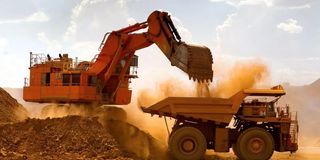
NDC Director General Dr Nicolaus Shombe told The Citizen that equipment started arriving at the project site on January 19, 2026, as construction activities got underway.
“The equipment has started arriving at the site from January 19, 2026.
Construction work has also started, including preparation of the project area and installation of electricity infrastructure,” Dr Shombe said.
He said electricity was connected to the project site on August 12, 2026, while some of the machinery required for mining and crushing iron ore had already been delivered.
The project follows the signing of an investment agreement between NDC and Fujian Hexingwang in August 2024.
The investment was initially put at $77.4 million, with subsequent government documents giving the value as $77.45 million.
The project is expected to operate for 25 years.
The project is designed to produce one million tonnes of raw iron annually.
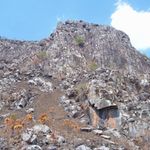
According to the Ministry of Industry and Trade’s 2025 budget statement, the feasibility study identified about 100 million tonnes of inferred iron ore, with an iron content of 44.6 percent.
It also identified titanium oxide at 11.2 percent and vanadium pentoxide at 0.41 percent.
The ministry said annual production is expected to include one million tonnes of raw iron, 100,000 tonnes of titanium concentrate and 483,000 tonnes of tailings.
When the project agreement was signed in 2024, Dr Shombe said the project would produce raw iron that would be used by other steel manufacturers.
The project is therefore expected to provide locally produced raw material for Tanzania’s steel industry, as the government seeks to strengthen domestic industrial production and reduce dependence on imported iron and steel.
Before construction could proceed, residents affected by the project were required to be compensated.
NDC said the Ludewa District Council had completed the valuation of 385 people affected by the project, with compensation valued at Sh4.2156 billion.
The Ministry of Industry and Trade estimates that completion of the project will create 1,000 jobs, including 300 direct and 700 indirect positions.
Beyond employment at the project itself, the investment is expected to create opportunities for businesses providing transport, supplies, construction materials, security and other services around the mining operation.
The project covers about 19.63 square kilometres and was described by NDC as one of the projects intended to help Tanzania develop domestic iron production.