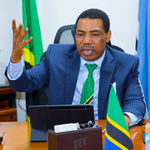
Anti-corruption body steps in after MPs' claim of rampant corruption in Tanzania

Dar es Salaam. Two days after Members of Parliament raised concerns over alleged widespread corruption in the country, the Prevention and Combating of Corruption Bureau (PCCB) has said it is awaiting full details from the lawmakers to enable it to take action.

Political analysts have, however, cautioned that the MPs’ statements should not remain confined to parliamentary debate but be pursued through established legal and institutional channels.
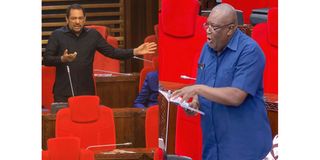
Speaking in Parliament on Thursday, former Minister for Home Affairs Kangi Lugola said addressing corruption and the misuse of public funds is critical to building a “new Tanzania”.

He stressed the need for state institutions, including the Police Force and the Director of Public Prosecutions (DPP), to operate independently.

Mr Lugola, the Mwibara MP in Mara Region, described individuals responsible for the country’s current challenges as “looters” and urged legislators to speak and act freely, even within party structures, to support President Samia Suluhu Hassan’s efforts to combat corruption.

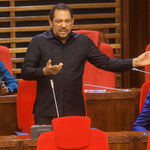
His remarks followed comments by Gairo MP Ahmed Shabiby, who said in the House on Wednesday that Tanzania still harbours corrupt individuals whose influence is greater than commonly perceived. Mr Shabiby said he was prepared to name them if required, calling on the President’s aides to prioritise the fight against corruption rather than focusing on succession politics ahead of the 2030 General Election.

The MPs made the remarks while contributing to President Hassan’s address marking the opening of the 13th Parliament. Mr Shabiby spoke on January 28, while Mr Lugola reiterated his position on January 29, 2026.

PCCB responds

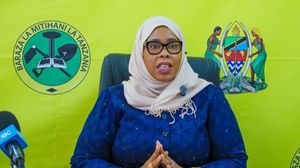
Speaking on Friday, January 30, 2026, PCCB Director General Crispin Chalamila said the bureau had taken note of Mr Shabiby’s remarks and was awaiting formal documentation from him.

“Out of civic and patriotic duty, Mr Shabiby will submit an official report, likely in a more formal manner than he has done so far. We will follow up to ensure the information is submitted so that action can be taken. Should he fail to do so, we will seek the information ourselves and process it institutionally,” Mr Chalamila said.

Analysts weigh in

Economist Prof Samuel Wangwe said the concerns raised by the MPs are widely known among the public.

“Many ordinary citizens are already aware of these issues, so the MPs are not revealing anything new. Even during recent engagements by the Minister for Youth, Joel Nanauka, with young people, similar concerns were raised. This indicates that these are genuine issues,” he said.

Prof Wangwe noted that corruption and misconduct are explicitly rejected in CCM policies and called for decisive action. While the MPs claimed to have knowledge of specific individuals involved in corruption, he said it is not the role of lawmakers to name suspects.

"We have ethics bodies, Takukuru and national security institutions mandated to safeguard the economy and public welfare. These institutions must do their work, and any weaknesses within them should be addressed,” he said.

Political analyst Prof Ali Makame said allegations of corruption are addressed once formal complaints are submitted to investigative bodies.

“Claims must be channelled through the appropriate institutions to allow investigations and follow-up on questionable practices,” he said.

Prof Makame warned that discussions limited to Parliament risk creating public anxiety if they are not followed by legal action. He stressed that corruption allegations must be investigated thoroughly, withproven cases taken to court.

“Raising names in Parliament without follow-up leaves society in uncertainty. These matters involve public resources meant for the benefit of all citizens,” he said.

CCM principles

The fight against corruption is a core principle of the ruling Chama Cha Mapinduzi (CCM), enshrined in its constitution. The MPs’ remarks are consistent with party values dating back to its formation in 1977 following the merger of TANU and ASP.

Among the nine commitments expected of CCM members, the fourth states: “Corruption is an enemy of justice; I will neither accept nor offer it.” The fifth reads: “Positions are entrusted responsibilities; I willnot use my position or that of another for personal gain.”

The party’s constitution further emphasises the use of national wealth for citizens’ development, the eradication of poverty, ignorance and disease, and the promotion of equal opportunities regardless of race, religion or social status.

Efforts to obtain comment from CCM officials, including Secretary for Ideology, Publicity and Training Kenan Kihongosi and Secretary for Parliamentarians Agnes Hokololo, were unsuccessful.

However, former Secretary of CCM’s Special Committee on Ideology and Publicity in Zanzibar, Ms Catherine Nao, said the MPs’ remarks were credibleand should not be dismissed.

“They know what they are talking about. MPs do not raise such issues lightly; there is usually some truth behind them,” she said.

Ms Nao added that since the MPs are members of the ruling party, their observations should be incorporated into party strategies and acted upon accordingly.