The strong, sustained GDP growth and the vigorous anti-corruption drive by the fifth phase government of President John Magufuli also spice up the attraction, making it virtually inescapable to foreign investors in both the developed and developing world.
Dar es Salaam. Abundant natural resources and a stable industrial policy regime, as well as ready availability of suitable land and marketing opportunities, combine into a package that attracts foreign investors to Tanzania.
The strong, sustained GDP growth and the vigorous anti-corruption drive by the fifth phase government of President John Magufuli also spice up the attraction, making it virtually inescapable to foreign investors in both the developed and developing world.
Last month, a high-powered business delegation from Israel became the fourth foreign delegation from different parts of the world which have visited Tanzania in recent times, all intent on harnessing investment opportunities, especially in manufacturing industries, preferably doing so through the Tanzania Private Sector Foundation (TPSF).
Apart from Israel, the other delegations to Tanzania were from China (10 prospective investors); Germany (more than 30) and a 40-strong delegation from France.
Speaking during the two-day Tanzania/Israel Business and Investment Forum (TIBIF) in April, the Israeli minister for Justice, Ms Ayelet Shaked, admitted that the prospective investors are targeting Tanzania largely because of its potential wealth in natural resources and potentially productive land.
She also said that the industrialisation policy that is currently being implemented is most conducive, thus encouraging potential investors to choose Tanzania as an investment destination of first choice.
“Investors are like birds; they always stay up a tree which is stable – and has fruits… This is what Tanzania is like today; there are areas with big potential for investments, and also has stable political stability,” the Israeli minister stated.
She also cited as good investment incentives the presence of Special Economic Zones (SEZs) and modern industrial parks, as well as tax incentives on imported capital goods, and ready availability of raw materials. “Israel is blessed with technologies; but we don’t have enough natural resources, so we see Tanzania as the best-possible partner in this area,” Ms Shaked said.
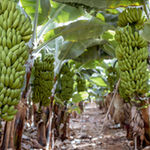
Apparently, most of the prospective foreign investors are interested in the Agriculture and Mining sectors of the Economy, as well as pharmaceutical industries.
Commenting on the matter, the Minister for Industry, Trade and Investment, Mr Charles Mwijage, revealed that he encouraged the Israel delegation of investors to venture into the pharmaceutical and medical equipment industry.
“Let me tell investors a secret: if you want to invest in Tanzania, the medical industry is the only sector you can easily invest in at the moment,” he said.
Speaking during the opening of German chamber of commerce liaison office in Tanzania last month, the German ambassador to Tanzania, Dr Detlef Waechter, highlighted the increasing interest of German companies in doing business with Tanzania.
Beginning in earnest in 2016, Tanzania has been receiving assorted business delegations from China, who have expressed interest in different sectors of the economy.
Last year, a Chinese business delegation visited the Export Processing Zone Authority (EPZA) to explore opportunities in Tanzania’s Special Economic Zones (SEZs), with specific mention of Kigoma and Mtwara regions. The Chinese delegation was interested in nonferrous metal smelting; textiles and garments making; plastic pipes manufacture; bags and luggage manufacturing and automobile accessories, as well as real estate and hotel management.
The general secretary of the Kingdom Leadership Network Tanzania (KLNT), Dr Charles Sokile, said that private sector operators urgently need to have technologies and industries that will help to boost agricultural production, and add value to agricultural produce, including the domestic production of industrial sugar.
Also greatly needed are value-addition activities at the local level to minerals…
During the visit by the French business delegation last month, the French ambassador to Tanzania, Mr Frédéric Clavier, assured Tanzanians that his country is committed to continuing large-scale investing in the country.