Saddened by the situation and acknowledging that they (religions) have not fully played their role in enhancing civic education as they should, especially at the grassroots, leaders of the Catholic Church say it is time to change the modus operandi.
Dar es Salaam. The Tanzania Episcopal Conference (TEC) has launched a mission to reverse the alarming trend of declining civic engagement, particularly among Tanzania’s youth.
Saddened by the situation and acknowledging that they (religions) have not fully played their role in enhancing civic education as they should, especially at the grassroots, leaders of the Catholic Church say it is time to change the modus operandi.
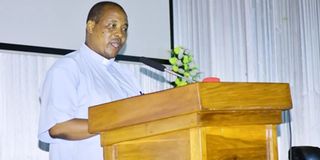
Speaking to The Citizen on Wednesday, February 21, 2024, the Secretary General of TEC, Fr Charles Kitima, expressed the deep concern of the church over the diminishing involvement of Tanzanian citizens in crucial national matters, including electoral processes.
With the theme: Fostering and Enhancing Civic and Political Participation in Tanzania, TEC’s Justice and Peace Office (ambassadors of peace) organised a two-day workshop involving two representatives from each of the 35 dioceses of the church across the country.
Fr Kitima emphasised the key role of the church in providing civic education to the public, stressing the urgency of the situation.
“We want to train our grassroots priests first so that they have an understanding of this because they meet the people. They should be able to explain the importance of civic education, human rights education, and participation in political processes,” he stated. The initiative comes in response to reports highlighting the severe consequences of low youth turnout during elections across Africa, with Tanzania being no exception.
In the 2020 general elections, voter turnout among individuals aged 18 to 25 plummeted to a mere 15 percent, significantly lower than the overall turnout of 50 percent.
According to Fr Kitima, the development was made after the church realised that the awareness of civic participation among the people at the grassroots level had been rapidly nose-diving, leading to the continued squeeze of civic space.
“This alarming statistic underscores the imperative for immediate action to rejuvenate civic engagement among Tanzanians, especially our youths,” he told The Citizen at the corridors of the workshop held at TEC’s headquarters in Kurasini Dar es Salaam.
He said the situation continued to exist despite the fact that the government has allowed and opened civic space for Tanzanians. “People think that civic education is only done by attending political rallies, yet it is only when they are made to know their role in politics, society, economic growth, or the country.”
TEC’s Dr Camillus Kassala stressed the significance of proper civic education in fostering active participation in governance.
“Lack of proper civic education makes citizens rely on the government to do everything without them participating in any way. It’s time when, as a church, we need to change this situation where most of the people who suffer the most are the lower-class citizens,” he asserted.
Furthermore, renowned development expert Dr Msele Mtebe from the University of Dar es Salaam commended the TEC for its proactive stance in addressing the crisis of civic participation.
Dr Mtebe remarked, “The situation has become very bad when it comes to civic participation in our country. There have been a lot of disappointments from politicians to citizens, an issue that is increasingly depressing people’s participation, especially young people, in holding leaders accountable. We will unite with the church to restore the situation as it should be.”
Echoing this sentiment, human rights activist Dr Jackline Mbosso emphasised the pivotal role of the church in empowering women to actively engage in political affairs.
“We want women to be at the forefront, and the church should help them participate in these important issues in our country. I am happy to see the church standing, not only every day to see politicians with the interests of their parties taking centre stage on civil education,” she said.
She called upon other civil society organisations to follow suit, emphasising collective responsibility in nurturing a culture of active citizenship. “This concerted effort reflects a fundamental journey towards fostering a vibrant and inclusive democracy, where every voice is heard and every citizen is empowered to shape the nation’s future,” she said.