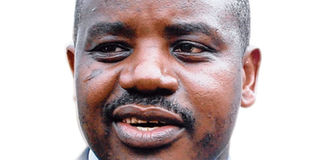
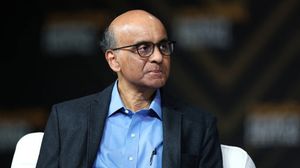
YOUNG LAWYER WHO LANDED A POWERFUL JOB: Mr Feleshi was the youngest DPP to have held the position when he was appointed at 39. His tenure saw a number of high-profile corruption cases brought to court, but he was also accused of dragging his feet on other cases.
Among the cases that he took to court were those brought against former Cabinet ministers Iddi Simba, Basil Mramba and Daniel Yona and former Finance Permanent Secretary Gray Mgonja. Mr Simba was taken to court over the irregular privatisation of the Dar es Salaam commuter transport firm UDA, while Mr Mramba, Mr Yona and Mr Mgonja are facing abuse of office charges linked to the Alex Stewart mineral audit controversy. Other abuse of office cases in which the DPP’s office played a role in investigating were those brought against Mr Ephraim Mgawe and Mr Charles Ekelege, former directors general of Tanzania Ports Authority and Tanzania Bureau of Standards, respectively.
What you need to know:
Mr Eliezer Feleshi, who was the Director of Public Prosecutions for seven years, was among 20 High Court judges named on Wednesday evening in new appointments made by President Jakaya Kikwete. He leaves one of the most powerful positions in the state administrative structure. His replacement has yet to be announced.
The erstwhile DPP, who became the youngest holder of the office ever, when he clinched it at 39, is credited with putting civilians in charge of prosecution
Dar es Salaam. The Director of Public Prosecutions, Mr Eliezer Feleshi, has been removed from his lofty position and made a judge of the High Court.
Mr Feleshi was among 20 High Court judges named on Wednesday evening in new appointments made by President Jakaya Kikwete. His replacement has yet to be announced.
He leaves one of the most powerful positions in the state administrative structure after serving for about seven years.
The man built his career in Mwanza, where he worked as a principal state attorney for several years before he was appointed to the team that investigated the killing of three Mahenge-born mineral traders and a taxi driver in Sinza, Dar es Salaam, in early 2006. He was appointed DPP in early 2007.
Mr Feleshi served as secretary of the team appointed by President Jakaya Kikwete to investigate the 2006 killings. It is believed his laudable role in the team led to his promotion the following year.
The team, led by Mr Justice Mussa Kipenka, recommended the prosecution of the then Dar es Salaam Regional Crime Officer, Mr Abdallah Zombe, and several police officers. They were, however, acquitted in 2009.
Mr Feleshi became the youngest ever DPP to hold the powerful position when he was appointed aged 39. His tenure saw a number of high-profile graft cases brought to court, but he was also accused of dragging his feet on others.
Among the cases that he took to court were those brought against former Cabinet ministers Iddi Simba, Basil Mramba and Daniel Yona and former Finance Permanent Secretary Gray Mgonja. Mr Simba was taken to court over the irregular privatisation of the Dar es Salaam commuter transport firm UDA, while Mr Mramba, Mr Yona and Mr Mgonja are facing abuse of office charges linked to the Alex Stewart mineral audit controversy.
Other abuse of office cases in which the DPP’s office played a role in investigating were those brought against Mr Ephraim Mgawe and Mr Charles Ekelege, former directors general of Tanzania Ports Authority and Tanzania Bureau of Standards, respectively.
But the Prevention and Combating of Corruption Bureau (PCCB) boss, Dr Edward Hoseah, has often criticised the DPP’s office under Mr Feleshi, accusing it of undermining the war on corruption by being selective in its prosecution of cases.
The public and anti-corruption pressure groups have particularly taken issue with the DDP’s failure to bring charges against individuals implicated in the radar purchase scandal that attracted huge penalties in the UK against BAE Systems, which sold an overpriced radar system to Tanzania during the era of former President Benjamin Mkapa.
Mr Feleshi is credited with putting civilians in charge of prosecution under the Judiciary reform programme. Prosecutions were previously conducted by police officers.
The new judges appointed by President Kikwete have been drawn from the public and private sectors and academia.
The Information Services said the President made the appointments after consultations with the Judicial Service Commission.
The appointees include seven officials from the Judiciary, six state attorneys, five advocates and two academics from higher learning institutions.
Those from the judiciary include Mr Penterine Kente and Mr Benedict Mwingwa, who were both registrars of the High Court in Dar es Salaam prior to their appointment.
Others with their previous positions in brackets are Mr Edson Mkasimongwa (Personal Secretary to the Chief Justice), Mr David Mrango (Registrar of the Fair Competition Tribunal), Mr Mohamed Gwae (Registrar of the High Court, Labour Division), Dr Julius Ruhangisa (Registrar of the East African Court of Justice) and Mr Firmin Matogoro (Vice Chairperson of the Tax Appeals Tribunal).