Tanzania’s energy transition is increasingly defined by decentralised models, particularly in sectors where service continuity cannot depend solely on grid expansion
Dar es Salaam. Renewable energy and decentralised water infrastructure are reshaping operations in hospitals, hospitality facilities and rural communities across Tanzania, as institutions seek to reduce reliance on diesel, manage grid variability and ensure reliable service.
Tanzania’s energy transition is increasingly defined by decentralised models, particularly in sectors where service continuity cannot depend solely on grid expansion.
Off-grid solar systems and water treatment infrastructure are now part of long-term planning rather than temporary solutions.
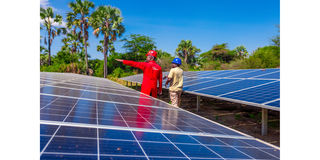
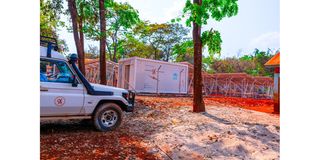
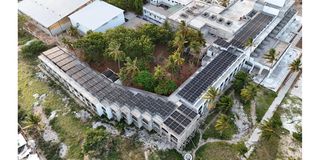
Gadgetronix has focused on hospital solarisation, water treatment systems, solar water pumping and rural water-dispensing infrastructure in 2025. Reliable electricity is critical for many remote health facilities, where surgical equipment, laboratories, vaccine refrigeration and emergency lighting require continuous supply. Following a regional tender, Gadgetronix was contracted to design, supply, install and maintain off-grid solar systems for 17 health facilities serving Nyarugusu and Nduta refugee camps, and host communities in Kasulu and Kibondo districts.
The systems combine solar generation with lithium battery storage and use containerised plug-and-play units to simplify installation and reduce construction timelines.
Monitoring and maintenance frameworks support uptime across dispersed sites.
In an interview with The Citizen founder and CEO Hasnain Sajan said: “When a surgeon steps into theatre, the equipment must function. When vaccines are stored, the cold chain must hold.” Analysts note this reflects a broader shift from diesel back-up reliance to engineered energy resilience.
Solar-powered water systems and treatment facilities are also expanding. In Zanzibar, boreholes in Kizimbani and Weni were converted from diesel to solar, stabilising supply and cutting fuel costs.
Nationwide, more than 600 solar water pumps and 400 water-dispensing units have been installed across public institutions, agricultural projects and community points.
Solar-driven water treatment ensures consistent quality in areas without grid-powered plants.
On Pemba Island, five water pumping schemes in Wete and Micheweni districts are being integrated with solar systems under a European Union-funded programme implemented by Oikos East Africa, with Gadgetronix supplying and installing the units.
In Mtwara, Tabora and Shinyanga, solar-powered community water points now use mobile money payments to regulate supply, improve revenue collection and reduce cash-handling risks.
Combining renewable systems with digital payment platforms enhances sustainability in rural water schemes.
Renewable energy has also reached Tanzania’s tourism corridors. Hybrid and off-grid solar systems are installed in lodges and camps across the Serengeti, Ngorongoro, Tarangire and Lake Manyara, where energy reliability affects operations and guest experience. Technical teams are permanently based in the regions to provide system support.
The spread of renewable energy and water infrastructure indicates decentralised systems are moving beyond pilot initiatives and becoming part of Tanzania’s broader service delivery framework.
As diesel costs rise and grid reliability remains uneven, renewable-powered hospitals and water systems are being positioned as essential service assets.
Future growth will depend on sustained operational reliability and expansion in rural and remote areas.