How abandoned fishing nets pollute lakes, threaten aquatic life

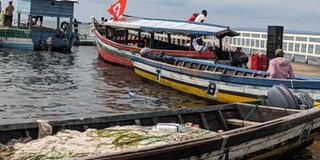
Fishing nets stored on a boat at Bezi Island, Ilemela District. PHOTO |SAADA AMIR

Mwanza. About 420,000 pieces of waste, including abandoned fishing nets, have been collected along the shores of Lakes Victoria, Tanganyika, and Nyasa, highlighting the scale of pollution affecting the region’s major water bodies.

Among the waste collected, 74 percent consisted of plastics, fishing nets, and textile materials, posing serious risks to aquatic life and potentially affecting human health.

Each year, an estimated 650,000 tons of abandoned fishing nets enter water bodies, while globally, 12 million tons of solid waste reach rivers, lakes, and oceans annually. This waste carries pathogens, chemicals, and toxins that are ingested by fish and other aquatic animals, eventually reaching humans.

The findings were presented by University of Dar es Salaam (UDSM) researcher, Dr Bahati Mayoma, during a meeting on January 16, 2025, to introduce a project aimed at cleaning shorelines and removing abandoned fishing nets from Lake Victoria.

The meeting brought together boat owners, fishing gear traders, Beach Management Unit (BMU) leaders, fisheries and environmental officers, researchers, and stakeholders from fish processing industries in Mwanza City and Ilemela Municipality.

Through the Clean Shores Great Lakes project, conducted between 2022 and 2024 across 48 beaches on Lake Victoria, 9 on Lake Tanganyika, and 12 on Lake Nyasa, Dr Mayoma said a total of 420,000 pieces of waste were removed from the shores, with 20 percent of sampled fish found to have ingested plastic fragments.

“The scale of solid waste is alarming. Looking at 2014 data from the Tanzania Fisheries Research Institute (Tafiri), abandoned fishing nets made up 44 percent of nets in shallow waters, monofilament gillnets 42 percent, longlines and hooks 7 percent, floats 2 percent, and clothing 12 percent," said Dr Mayoma.

He added: “To control solid waste in Tanzania, targeting plastics and bags alone could eliminate 40 percent of the problem, as plastics account for seventy percent of all waste identified. Plastic bottles and bags make up 40 percent of all litter. Continuous public education and engagement with manufacturers and industrial stakeholders are critical.”

BMU Nyamagana chairperson, Joel Mshola said many fishers cut nets that had finished their useful life and threw them into the lake, causing nets to accumulate and further entangle with aquatic weeds, contributing to shoreline pollution.

Adam Shija, chairperson of the Mirongo River Environmental Conservation Association in Mwanza, urged BMUs to establish collection systems and by-laws to remove waste from landing sites.

Thadeo Philipo, BMU Igombe chairperson in Ilemela, suggested that the fisheries department be equipped with personnel and resources to enforce regulations against illegal fishing nets and punish offenders.

Boat owner, Majula Masoko said a major challenge is the lack of conservation education among fishers and called on government officers to visit fishing sites and conduct awareness campaigns.

In response to the growing problem, Mwanza-based Blue Victoria has launched the Stop Fishing Ghost Gears project, scheduled to run from January 18 to 28, 2026, across 10 beaches in Ilemela and Nyamagana districts, funded by Ocean Conservancy in partnership with the Global Ghost Gear Initiative.

The project aims to clean the lake environment and reduce the loss of aquatic biodiversity.

Blue Victoria Executive Director, Festus Massaho said the project will collect abandoned fishing nets from BMUs, monitor all landing sites, and ensure sustainability of the intervention.

For long-term solutions, Dr Nesmo Kaganga from St Augustine University of Tanzania (SAUT) recommended engaging industries, recyclers, and innovators to develop products from discarded fishing nets.

“This will reduce waste, protect water resources, and create economic value. With accountability and strong policies, sustainable lakes are achievable,” he said.