Matete Bridge eases rainy-season travel, boosts tourism in Tarangire
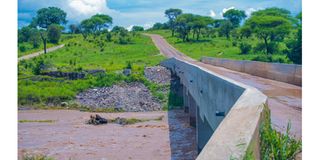
The view of the Matete Bridge in Tarangire National Park, which spans 85 metres and began operations earlier this year, has eased travel for tourists visiting the park, as the previous bridge used to flood during the rainy season.
Arusha. The government has stepped up infrastructure improvements at Tarangire National Park, including roads, bridges and visitor facilities, in efforts to strengthen tourism and ensure smooth movement of visitors throughout the year.
Among the key projects is the 85-metre Matete Bridge, built at a cost of Sh1.1 billion across the Tarangire River, which separates the eastern and western parts of the park. The crossing had long posed a major challenge, particularly during the rainy season when the river frequently overflowed.
The park’s Chief Warden, Senior Assistant Commissioner for Conservation Beatrice Kessy, said on March 14, 2026 that the bridge is part of wider efforts by the Tanzania National Parks Authority to improve infrastructure and support tourism activities within the park.
She said the bridge, which started operating this year, has already helped ensure uninterrupted tourism operations during the rains.
“Tanapa has continued to invest heavily in improving infrastructure in Tarangire. The Matete Bridge is part of the government’s broader efforts to strengthen national infrastructure and it has become a major boost to tourism in the park,” she said.
A view of the old bridge over the Tarangire River in Tarangire National Park, which was previously in use but is now submerged, and has been out of service since this year following the construction of the new Matete Bridge, which has helped eliminate the difficulties tourists previously faced when visiting the park.
According to Ms Kessy, the Tarangire River used to flood during heavy rains, making it difficult for vehicles to cross to the other side of the park.
“This is the rainy season. Without this bridge, many vehicles would not be able to cross. When the river floods, tourism activities used to stop completely. Since the park was established in 1970, tourists and tour guides have faced serious challenges crossing the river during heavy rains,” she said.
She added that the bridge has made it easier for visitors to access lodges located on the eastern side of the park, where most large hotels are found.
“We used to struggle to help visitors reach hotels on the other side of the river, but now tourists can cross easily and tourism activities continue normally even during the rains,” she said.
Ms Kessy said Tanapa is continuing with other improvement projects, including the construction of a new gate at Mamire, which will become the park’s fourth entry point.
She also said upgrades have been made at Kuro Airstrip, where a new reception building, rest areas and washrooms for visitors have been constructed.
Tarangire is the second most visited national park in the country after Serengeti National Park, receiving up to 2,500 visitors per day during the peak tourism season, equivalent to about 600 vehicles.
Tour guide Felix Christian said the new bridge has greatly reduced the challenges they previously faced when guiding visitors.
“In the past we struggled to cross the low bridge, but now we use the new one and it works even when it rains heavily,” he said.
Another guide, Suleiman Saitabau, said the old bridge was often submerged during the rainy season, causing delays for tourists.
“Previously water would pass over the old bridge and delay our trips. Since the new one was built, it has become much easier to take visitors across the park,” he said.
The park’s infrastructure officer, Goodluck Busumbilo, said Tarangire has a road network covering about 796 kilometres and Kuro Airstrip, which receives between six and 12 aircraft per day, adding that most roads are currently passable following recent maintenance.