Tanzania to issue new guidelines to reduce treatment costs
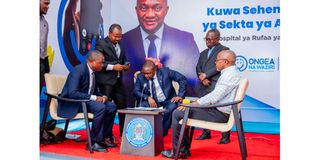
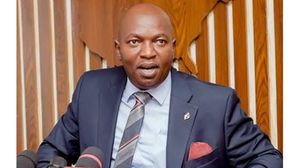
Health Minister Mohamed Mchengerwa speaking with a member of the public by phone for the first time since the launch of the 'Talk to the Minister' programme at Mwananyamala Regional Referral Hospital on March 13, 2026.
Dar es Salaam. The Ministry of Health is preparing new guidelines aimed at reducing the cost of medicines, medical procedures and treatment for Tanzanians, with implementation set to begin in government hospitals.
The Minister for Health, Mohamed Mchengerwa, said at the weekend that the move is intended to ease the financial burden on citizens, many of whom struggle to afford specialised treatment and essential medicines.
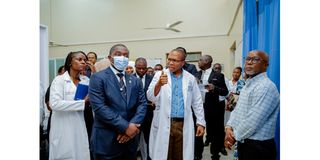
Launching of the Ongea na Waziri (Talk to the Minister) programme at Mwananyamala Regional Referral Hospital, Mr Mchengerwa spoke directly with members of the public by phone for the first time since the initiative was introduced in January.
Mr Mchengerwa said the ministry has already directed the preparation of guidelines to regulate the cost of treatment, medicines and medical services.
“The charges currently being paid are beyond the reach of many Tanzanians. For example, specialised procedures such as brain surgery at the Muhimbili Orthopaedic Institute or complex transplants at Benjamin Mkapa Hospital can cost between Sh70 million and Sh100 million. Similar costs are seen at the Jakaya Kikwete Cardiac Institute,” he said.
He said that while medical ethics require that patients receive treatment, the government must also ensure that the cost of care remains affordable.
“Treatment and drug prices are high and people keep asking what the ministry is doing. We cannot remain silent. We must come up with a solution,” he said.
According to the minister, the guidelines will first apply to government hospitals before being extended to private health facilities after consultations with stakeholders.
“We will introduce ministerial guidelines that define the cost of treatment, medicines and medical services in order to reduce the financial burden that citizens have complained about for a long time,” he said.
He added that the government has noted cases where medicines purchased at low prices are sold to patients at much higher rates, making regulation necessary.
Mr Mchengerwa urged the public to remain patient as the ministry finalises procedures before rolling out the system nationwide.
Dialysis costs reduced
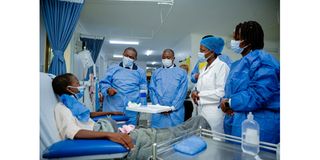
In a related development, the Director of Medical Services at the ministry, Hamad Nyembea, said the cost of dialysis has already been reduced in government health facilities.
He said the service now costs between Sh150,000 and Sh280,000, compared to about Sh200,000 to Sh250,000 previously, with plans to lower the charges further to around Sh100,000 so that more patients can access treatment.
Dr Nyembea said the government has also put in place arrangements to cover the cost for patients who cannot afford the service.
He noted that kidney failure is commonly caused by diabetes, heart disease, high blood pressure, accidents and other illnesses, and urged the public to take preventive measures.
Government rejects claims on used MRI machines
Mr Mchengerwa also said the government does not purchase second-hand diagnostic equipment, noting that medical machines are bought using large amounts of public funds and must meet required standards.
The Executive Director of the Muhimbili Orthopaedic Institute, Mpoki Ulisubisya, said MRI machines used at the institute are new and were bought at high cost.
“All the machines were purchased new and cost billions of shillings. MRI machines produce loud sounds during operation worldwide, which is why patients are given headphones with soft music to help them remain calm and to allow communication with medical staff,” he said.
He added that the duration of an MRI scan depends on the level of examination required, with some taking only a short time while others take longer for detailed investigation.
The clarification follows recent claims by musician Dudubaya, who alleged on social media that MRI machines at the institute were second-hand.
‘Talk to the Minister’ programme
Mr Mchengerwa said the Ongea na Waziri programme, launched in January, aims to bring the ministry closer to citizens by allowing them to raise concerns directly.
“We want people to tell us where we should improve and where corrections are needed. So far, the system has received more than 8,800 queries from across the country,” he said.
The Permanent Secretary in the ministry, Seif Shekalaghe, said more than 2,000 calls have already been received, with experts responding to questions from the public.
He said the ministry conducts monthly reviews of the issues raised and that the minister will continue to respond to some questions live, while others may be handled by his aides.
Dr Shekalaghe also called for the public display of contact numbers for medical officers in charge, Regional Medical Officers and District Medical Officers to help resolve complaints more quickly.
He added that many illnesses affecting the public are linked to lack of awareness, noting that the ministry plans to strengthen public health education programmes.
“I urge all health service providers, both public and private, to deliver services professionally and in line with ethical standards,” he said.
Register to begin your journey to our premium contentSubscribe for full access to premium content