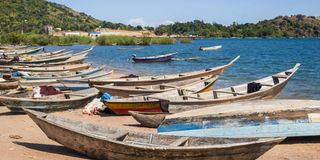
Mbamba Bay. Every fishing season on Lake Nyasa brings a familiar contradiction: abundant sardine catches, but heavy post-harvest losses that reduce incomes before fish reach the market.
Fishers along the Mbamba Bay shoreline land large volumes of sardines, popularly known as dagaa, yet a significant share never makes it to consumers. The challenge is not demand, but limited preservation capacity after landing.
“We often catch more sardines than we can process,” says fisherman and canoe owner Mr Bruno Haule. “When drying space runs out, some spoil before we preserve them. In some cases, we are forced to throw them away.”
During peak seasons, when catches surge, inadequate drying facilities worsen losses and directly affect household earnings.
According to the WorldFish Centre, post-harvest losses in Tanzania range between 20 and 40 percent across major fishing hubs, including Lakes Victoria, Nyasa and the Indian Ocean, largely due to weak handling systems and reliance on traditional open-air drying.
In Mbamba Bay, fish are spread on racks or mats and left under the sun. While low-cost, the method exposes them to dust, insects, animals and sudden rainfall, increasing spoilage risks.
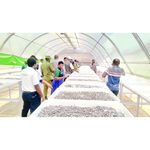
A new intervention is now seeking to address the challenge. A second solar-powered fish dryer at Mpaka Shores is designed to reduce bottlenecks in processing rather than increase catch volumes.
Project supervisor Mr Erick Belton said the facility can process up to three tonnes of fish per day under controlled conditions.
“The dryer will improve the quality and safety of fish products while reducing post-harvest losses,” he said.
Unlike open-air drying, the system uses solar energy to regulate heat and airflow, reducing dependence on weather conditions, shortening drying time and improving hygiene.
It also reduces reliance on firewood and charcoal, easing pressure on surrounding forests.
For fishers like Mr Haule, the impact is immediate: less spoilage means higher incomes from the same catch, while improved quality may open access to better markets.
However, he cautions that technology alone is not sufficient without stronger transport, storage and market linkages to sustain income gains.
Mbamba Bay Fisheries Officer Ms Erica Mathayo said the initiative is part of wider efforts to strengthen a fisheries value chain that supports more than 122,000 people.
She said government will continue upgrading landing sites, improving markets and investing in cold storage to reduce losses.