Manufacturers back Sh62.5 trillion budget, seek talks on industry cost pressures

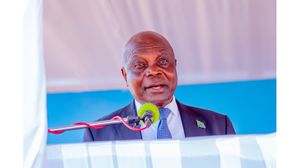
Confederation of Tanzania Industries (CTI) Chairman Hussein Sufian speaks to journalists on Monday, June 15, 2026. PHOTO | ROSEMARY MIRONDO

Dar es Salaam. The Confederation of Tanzania Industries (CTI) has backed the government’s Sh62.5 trillion budget for the 2026/27 financial year, describing it as a positive step towards accelerating economic growth, improving the business environment and advancing industrial development.

While commending reforms aimed at increasing domestic revenue, digitising tax administration and easing regulatory bottlenecks, the private sector body called for further engagement on tax and levy measures that could increase production costs for local manufacturers.

CTI chairperson Hussein Sufian said the spending plan aligns with the country’s broader goal of driving economic transformation through strategic investment, digital technology and sustainable fiscal policies.

“We welcome the government’s commitment to increasing domestic revenue while continuing reforms aimed at improving the ease of doing business,” he said.

Among the measures welcomed by CTI are efforts to strengthen the unified system for collecting levies and fees, reduce bureaucracy among regulatory institutions, modernise Tanzania Revenue Authority (TRA) systems through advanced technologies and artificial intelligence, and introduce joint inspections to minimise disruptions faced by investors and manufacturers.

CTI also said the government had incorporated several recommendations from the industrial sector, particularly those aimed at protecting domestic industries, promoting value addition to local raw materials, attracting investment, creating jobs and reducing dependence on imports.

However, the organisation cautioned that some proposed fiscal measures could increase production costs across certain industries.

Areas of concern include changes to excise duties, export levies on selected crops and crop products, duties on raw materials used in edible oil production and charges linked to industrial sugar.

“These issues require further engagement between the government and the private sector to ensure revenue-raising objectives do not undermine the competitiveness of Tanzanian industries or limit the ability of locally manufactured products to compete in regional and international markets,” Mr Sufian said.

He said that despite the concerns, the budget provides a strong framework for sustaining economic growth, improving the investment climate and increasing the contribution of industry to national development.

“The 2026/27 budget demonstrates the government’s commitment to building a stronger and more resilient economy. We are encouraged by the reforms aimed at improving the business environment, embracing digital solutions and supporting industrial growth,” he said.

Mr Sufian added that close cooperation between the public and private sectors remains essential in developing policies that support investment, job creation and sustainable industrial development.

“CTI remains committed to working with the government and other stakeholders to ensure Tanzania’s industrial sector continues to drive economic growth, create employment opportunities and contribute to the welfare of all Tanzanians,” he said.