Ngorongoro relocation flaws exposed as Samia vows action


What you need to know:

  • President Hassan has assured the public that the government will carefully review and implement proposals put forward by two commissions she appointed last year

By Katare Mbashiru

Dodoma. Two special commissions appointed by President Samia Suluhu Hassan have recommended a comprehensive legal overhaul to address shortcomings in the voluntary relocation of residents from the Ngorongoro Conservation Area, warning that weaknesses in existing laws have undermined the government’s efforts.

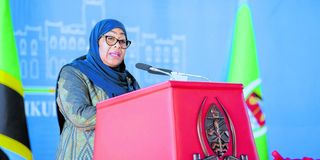
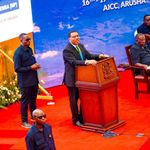
But receiving the reports at Chamwino State House in Dodoma yesterday, President Hassan assured the public that the government will carefully review and implement the recommendations provided by the two commissions.

She directed Prime Minister Mwigulu Nchemba and Chief Secretary Moses Kusiluka to supervise the implementation of the reports.

“I wish to assure Ngorongoro residents that the government will continue working with them for the best interests of the country and the world at large. Ngorongoro is our heritage and the country’s precious material,” she said.

The commissions assessed land disputes and the relocation programme to Msomera in Tanga Region.

Their findings point to legal and procedural gaps that must be urgently addressed to make the relocation exercise workable and sustainable.

The review comes after the relocation programme fell far short of expectations. Out of an estimated 23,000 households targeted for voluntary relocation from Ngorongoro, only 1,678 households have moved to the designated settlement area.

Presenting the report on land issues in the conservation area, commission chairperson Dr Gerald Ndike said the legal framework guiding human settlement and grazing activities in Ngorongoro is inadequate and requires a comprehensive review.

Dr Ndike said the growing population in the conservation area has intensified pressure on land and wildlife resources, making reforms necessary to ensure effective management.

According to the commission’s findings, the Ngorongoro population stood at about 8,000 people in 1960 but increased dramatically over the decades. By 2022, the population had grown significantly and projections from the 2022 Population and Housing Census indicate it could reach about 276,651 by 2050.

He said the current laws do not sufficiently regulate human activities such as settlement and livestock grazing in the conservation area, a situation that complicates both conservation efforts and community livelihoods.

“The legal framework governing the entire process of accommodating residents and their grazing land is not conducive. Our recommendation is a comprehensive review of the law to ensure better control of human activities,” Dr Ndike said.

Meanwhile, the commission tasked with reviewing the voluntary relocation process identified multiple structural and policy failures that contributed to the slow progress of the programme.

Presenting the second report, commission chairperson Mussa Iyombe said the relocation exercise faced at least five major challenges, including limited community involvement, gaps in laws and regulations, cultural incompatibilities in housing arrangements, declining incentives for those willing to move and the use of persuasion rather than genuine voluntary participation.

Mr Iyombe who is the retired Chief Secretary said these issues contributed to the low number of households that relocated.

“Your Excellency, the exercise did not succeed as expected. Only 1,678 households have relocated out of the 23,000 households living in Ngorongoro,” he said.

He added that despite the slow uptake, more than Sh212.35 billion has already been allocated for constructing houses for residents who opt to relocate voluntarily.

The commission noted that 1,559 houses have already been built in Msomera, but many remain unoccupied.

One of the reasons cited is the cultural structure of Maasai families, particularly polygamous households, where one house per family arrangement has created disputes over which wife should occupy the house.

To address this challenge, the commission recommended that the government stop constructing houses for relocating residents and instead provide funds to allow families to build homes that reflect their cultural norms and family structures.

The commission also proposed establishing a special coordinating authority to oversee the relocation process instead of the current administrative arrangement.

Another key recommendation concerns reform of laws governing the conservation area. Mr Iyombe said the current legal framework recognises only the Maasai community, yet other ethnic groups also live in the area, a situation the commission described as discriminatory. The commission further highlighted grievances from both sides of the relocation programme.

Residents who remained in Ngorongoro complained of deteriorating access to basic social services, while those who relocated reported difficulties adapting to the new environment.

Host communities in Msomera have also raised concerns, alleging that their land has been taken and allocated to incoming residents.

Despite these challenges, the commission acknowledged some positive outcomes from the relocation programme. These include improved housing conditions and better access to social services for those who have moved, as well as opportunities for expanded agricultural activities.

The commission’s report runs several pages and contains detailed recommendations on how to restructure the programme.

The two commissions were appointed in December 2024 following growing tensions over land use and relocation plans in the Ngorongoro Conservation Area. They were officially inaugurated in February 2025 and comprised eight members each.

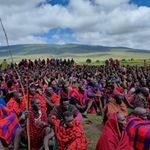
For more than a century, Maasai pastoralists have coexisted with wildlife in the conservation area, which is globally recognised as a World Heritage Site. However, rapid population growth and competing land demands have intensified debate over how to balance conservation goals with the livelihoods of local communities.

The government has argued that voluntary relocation is necessary to protect the fragile ecosystem while improving living conditions for residents.

However, the programme has faced resistance and criticism from activists and community leaders, who have raised concerns over land rights, access to services and the handling of the relocation process.