PPAA resolves 96.7pc of procurement appeals as Tanzania pushes value for money

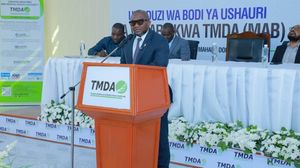
Head of Legal Services at the Public Procurement Appeals Authority (PPAA), Ms Agnes Sayi, addresses members of the media on behalf of PPAA Executive Secretary Mr James Sando at the authority's exhibition booth in the Ministry of Finance pavilion during the 50th Dar es Salaam International Trade Fair (Sabasaba) in Dar es Salaam.

Dar es Salaam. The Public Procurement Appeals Authority (PPAA) resolved 96.7 percent of procurement appeals filed during the 2025/26 financial year, in a move the authority says is strengthening accountability and ensuring value for money in government spending.

PPAA handled 58 out of 60 appeals received during the year, with decisions issued within the legally prescribed timeframe, while the remaining two appeals were carried forward into the current financial year.

In a statement shared to the paper PPAA said the timely resolution of procurement disputes has helped promote fairness in the awarding of public contracts while providing a mechanism for bidders and procuring entities to seek redress when disagreements arise.

PPAA Head of Legal Services, Ms Agnes Sayi, said the authority’s performance reflects ongoing efforts to strengthen transparency in public procurement processes.

“During the 2025/26 financial year, PPAA received approximately 60 appeals and successfully determined 58 of them within the required timeframe. The remaining two appeals have been handled in the current financial year,” she said.

Ms Sayi made the remarks during the ongoing 50th Dar es Salaam International Trade Fair (Sabasaba), where PPAA is exhibiting under the Ministry of Finance pavilion in Dar es Salaam.

The authority’s performance comes amid Tanzania’s broader shift towards digitalising public procurement, aimed at improving efficiency, reducing delays and strengthening oversight in the management of public resources.

Following the government’s decision to make electronic public procurement mandatory, PPAA, in collaboration with the Public Procurement Regulatory Authority (PPRA), developed the Complaints and Appeals Module within the National e-Procurement System of Tanzania (NeST).

Head of Legal Services at the Public Procurement Appeals Authority (PPAA), Ms Agnes Sayi, addresses members of the media on behalf of PPAA Executive Secretary Mr James Sando at the authority's exhibition booth in the Ministry of Finance pavilion during the 50th Dar es Salaam International Trade Fair (Sabasaba) in Dar es Salaam.

The module became operational in February 2025, allowing procurement stakeholders to submit and follow up on complaints and appeals through an electronic platform.

Ms Sayi said PPAA has trained 2,600 procurement stakeholders across the country on the use of the system, including 1,907 bidders and 705 public officials.

“The training has enabled public procurement stakeholders to effectively use the Complaints and Appeals Module in the National e-Procurement System of Tanzania,” she said.

The digital system is expected to improve access to the appeals process, enhance transparency and reduce administrative delays associated with manual submission and management of procurement complaints.

During the Sabasaba Trade Fair, PPAA is also conducting public awareness activities on the procedures for submitting and determining complaints and appeals arising from procurement processes.

The authority is educating stakeholders on various issues, including appeals related to debarment from participating in public procurement proceedings, complaints arising from delays by accounting officers to issue decisions within the required timeframe, and applications for filing appeals out of time.

Other areas covered include applications for enforcement of PPAA orders, setting aside decisions made without hearing affected parties, and reinstatement of appeals.

Public procurement remains a key channel through which government resources are allocated, making effective dispute resolution mechanisms critical in ensuring that contracts are awarded fairly and deliver value to citizens.