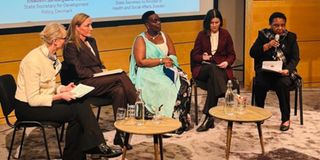
Stockholm. The Government of Tanzania has invited Nordic countries to invest in the country’s health sector, particularly in research, technology, and the local production of medicines and medical equipment.
The call was made by the Deputy Minister for Health, Dr Florence Samizi, during a presentation at the opening of the Nordic–Africa Health Conference held on January 22, 2026, in Stockholm, Sweden.
Dr Samizi said Tanzania is ready to strengthen cooperation with Nordic nations through knowledge exchange, adoption of modern technologies and investment in pharmaceutical and medical equipment manufacturing to improve the delivery of healthcare services.
She noted that the conference focused on maternal and child health as well as the fight against non-communicable diseases (NCDs), which remain among Tanzania’s key health priorities.
The Tanzanian delegation to the meeting was led by Dr Samizi and included Tanzania’s Ambassador to Sweden, Mr Mobhare Matinyi, as well as health experts from the Ministry of Health, the Zanzibar Ministry of Health, and Muhimbili University of Health and Allied Sciences (MUHAS).
Among the experts were Assistant Director for Reproductive and Maternal Health, Dr Mzee Nassoro; Assistant Director for Non-Communicable Diseases and Mental Health, Dr Omary Ubuguyu; Director of Preventive Services and Health Education from Zanzibar, Dr Salim Slim; and MUHAS Senior Lecturer, Dr Amani Idris Kikula.
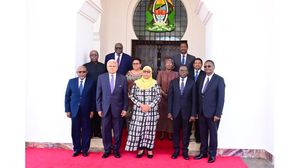
Highlighting Tanzania’s progress in the health sector, Dr Samizi said that under the leadership of President Samia Suluhu Hassan, the government has made significant investments in health infrastructure and the procurement of modern medical equipment at all levels of care.
She said that between 2015 and 2022, Tanzania reduced the maternal mortality ratio from 556 to 104 deaths per 100,000 live births. During the same period, under-five mortality declined from 67 to 43 deaths per 1,000 live births, while neonatal mortality fell from 25 to 24 per 1,000 live births.
Representatives from Sweden and Denmark expressed their countries’ readiness to collaborate with African nations, including Tanzania, in line with agreed policy priorities.
The conference was organised through a partnership between the network of African women ambassadors in the Nordic countries and several international health organisations, including Maternity Foundation, Dalberg Media, Danish Alliance for Global Health, the Global Financing Facility, World Diabetes Foundation, Ferring Pharmaceuticals and Laerdal Global Health.
Several senior government leaders from Nordic countries participated in the meeting, including Sweden’s Minister for Health and Social Affairs, Mr Jakob Forssmed; Minister for Gender Equality, Ms Nina Larsson; Deputy Minister for Health and Social Affairs, Ms Petra Noreback; and Denmark’s State Secretary for Development Policy, Ms Elsebeth Søndergaard Krone. Senior officials from Norway and Finland, as well as representatives of international organisations, also took part.
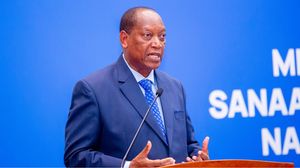
From Africa, the event was attended by Zimbabwe’s Minister of Health, Dr Douglas Mombeshora, along with health sector leaders from Nigeria, Liberia, Rwanda and Kenya. Others present included Amref Health Africa Chief Executive Officer, Dr Githinji Gitahi, and the Director General of the East, Central and Southern Africa Health Community (ECSA-HC), Dr Ntuli Kapologwe.
On the sidelines of the conference, another event organised under the Gates Foundation–supported Goalkeepers initiative brought together Denmark’s Minister for Foreign Affairs, Mr Lars Løkke Rasmussen, and philanthropist Bill Gates.
Speaking on the role of the private sector, Mr Gates said private institutions continue to play a critical role in strengthening global health systems, particularly in reducing maternal and child deaths and accelerating progress towards the Sustainable Development Goals (SDGs).