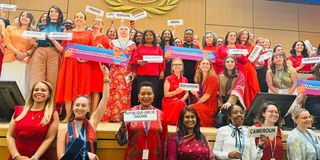
Geneva. Tanzania has been recognised as a global example in advancing the rights of women, including domestic workers, during commemorations of the United Nations International Day of Women in Diplomacy in Geneva, Switzerland.
The recognition came during the Human Rights Debate on Women’s Rights, held on the sidelines of the 62nd Session of the United Nations Human Rights Council, taking place in Geneva from June 15 to July 7, 2026.
The session has brought together diplomats, UN officials and civil society representatives to review progress on global human rights commitments, with this year’s discussions placing particular emphasis on gender equality and the protection of vulnerable workers.
Speaking on behalf of the Office of the United Nations High Commissioner for Human Rights, director of the Gender, Equality and Inclusion Unit at the International Labour Organization (ILO), Ms Chidi King, commended Tanzania for its collaboration in implementing programmes that enable domestic workers to understand, protect and defend their rights.
She said the partnership has helped strengthen women’s leadership, confidence and participation in decision-making processes affecting their lives.
"The initiatives have amplified women’s voices in communities and workplaces, enabling them to engage more effectively with employers, local authorities and policymakers," said, Ms King.
She said the progress is essential to ensuring that labour rights translate into tangible improvements in working conditions, wages and access to social protection.
The United Nations International Day of Women in Diplomacy, observed annually on June 24, was established by the UN General Assembly in 2022 to recognise the contribution of women to diplomacy and the promotion of equality, peace and sustainable development.
This year’s commemorations in Geneva featured panel discussions, exhibitions and high-level dialogues on women’s representation in peace processes, climate negotiations and digital governance.
Tanzania was represented at the event by the Deputy Permanent Representative to the United Nations Office in Geneva, Ambassador Hoyce Temu, who joined diplomats, policymakers, and human rights stakeholders from across the world.
The Tanzanian delegation used the forum to highlight ongoing efforts to align the country’s labour policies with international standards while promoting women’s economic empowerment, and inclusion.
Officials said the recognition reflects Tanzania’s continued progress in implementing policies aimed at advancing gender equality, and protecting human rights.
They added that the acknowledgement reinforces the country’s growing profile as a supporter of reforms that empower women, particularly those employed in the informal and domestic work sectors, where legal protections have traditionally been limited.
The focus on domestic workers also reflects broader United Nations efforts to strengthen protections for women in vulnerable forms of employment.
According to the ILO, more than 75 million people worldwide are employed as domestic workers, with women accounting for more than three-quarters of the workforce.
Many still lack formal employment contracts, minimum wage protection and access to healthcare or pension schemes.
As the Human Rights Council session continues, member states are expected to share national experiences, and best practices on gender-responsive labour policies.
For Tanzania, the recognition in Geneva further enhances the country’s international profile ahead of the 153rd Inter-Parliamentary Union Assembly, which will be hosted in Arusha this October and is expected to place strong emphasis on gender equality and women’s leadership.