Tanzania targets AFCON 2027 visitors for tourism growth
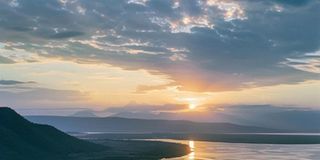
As the sun dips below the horizon, casting golden hues across the tranquil waters of Lake Manyara National Park, wildlife and landscape merge into a breathtaking spectacle.
Arusha. Tanzania National Parks (Tanapa) is preparing to use the Africa Cup of Nations (AFCON) 2027 to increase international tourist arrivals by converting football fans into safari visitors.
As East Africa prepares to host the tournament for the first time, Tanzania is treating it as an opportunity to support growth in its tourism sector.
Tanapa Conservation Commissioner, Mr Mussa Nasoro Kuji, said the agency is developing tourism packages to cater for expected visitor inflows during the tournament period.
AFCON 2027 is scheduled for June 19 to July 17 and will be jointly hosted by Tanzania, Kenya and Uganda. The event is expected to attract large numbers of visitors to the region.
Officials say Tanzania’s focus is not only on match attendance but on extending visitor stays and increasing travel to national parks and other attractions.
Tanapa is adjusting visitor services in parks near host cities to respond to increased demand during the tournament.
“Our teams are enhancing visitor services, establishing official watch zones and managing visitor capacity,” said Kuji.
Tourism strategy
Globally, major sporting events are used to support tourism and improve international visibility. Tanzania is adopting a similar approach.
The country’s key attractions include Serengeti National Park, Mount Kilimanjaro, Lake Manyara National Park and Tarangire National Park.
Officials say AFCON 2027 offers an opportunity to increase awareness of these sites and encourage longer stays.
Lake Manyara National Park, located about 126 kilometres from Arusha, is expected to play a role due to its location near the northern tournament hub. The park is accessible by road and air from Arusha.
Tanapa says it is also developing new visitor experiences to complement existing wildlife tourism products.
“Our experts are finalising activities that will appeal to visitors attending AFCON while complementing wildlife experiences,” Kuji said.
New tourism products
Assistant Conservation Commissioner at Lake Manyara National Park, Dr Yustina Kiwango, said the park is introducing five new activities: a zip line, giant swing, canoeing, canopy walkway and hiking trails along the Rift Valley escarpment.
She said the aim is to expand product offerings beyond traditional game drives.
The new activities will complement existing tourism options, including game drives, night safaris, walking tours and birdwatching.
Lake Manyara ecosystem
Lake Manyara National Park is known for its biodiversity and varied habitats within a relatively small area.
The park hosts tree-climbing lions, elephants, baboons and more than 400 bird species. It contains four of Africa’s “Big Five”: elephant, lion, leopard and buffalo.
Researchers link the behaviour of tree-climbing lions to environmental conditions, including heat, insects and learned behaviour.
Tanapa also highlights the park’s ecological systems as part of its tourism offering.
The groundwater forest is sustained by water from the Great Rift Valley escarpment and includes species such as fig trees and African mahogany. It supports wildlife during dry periods.
Lake Manyara is an alkaline lake formed in a closed basin. High evaporation levels create conditions that support algae and microorganisms, which attract flamingos and other bird species.
Investment plans
Tanapa is also encouraging investment in tourism infrastructure around the park.
Dr Kiwango said private investors are being invited to develop accommodation facilities in the Marang’ Forest area.
Proposals include a golf course integrated into the forest landscape as part of efforts to expand tourism products.
Marang’ Forest was incorporated into the park in 2009 and includes miombo woodland species.
Tourism experts say the success of AFCON 2027 in boosting tourism will depend on whether visitors extend their stays and return after the event.
Tanapa says it is aiming to use the tournament to increase awareness of Tanzania’s national parks and attract repeat visitors.
The authority says the objective is to convert sporting visitors into long-term tourists supporting the wider tourism economy beyond the tournament period.
Register to begin your journey to our premium contentSubscribe for full access to premium content