The training aims at increasing competitiveness, therefore enhancing access to domestic, regional, and global markets
Dar es Salaam. Over 1000 Micro, Small, and Medium Enterprises (MSMEs) from 10 regions are expected to benefit from quality standards, food safety, and market requirements through knowledge, skills, and techniques scheduled training.
The training aims at increasing competitiveness, therefore enhancing access to domestic, regional, and global markets.
As compared to Kenya recording 80 percent in food safety management systems certificates, Tanzania has registered a mere two percent.
Other East African countries and their respective percentages in brackets are Uganda (11 percent), the Democratic Republic of the Congo (DRC-4 percent), and the remaining percentage is distributed among the remaining partner states.
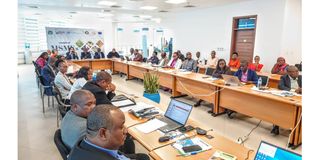
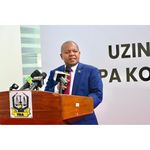
Speaking recently, the National Quality Association of Tanzania (NQAT) chairman, Mr Amir Hamza, made the revelation during the official launch of the MSMEs capacitation under the Qualitan project that is implemented by the United Industrial Development Organisation (Unido) in collaboration with the Tanzania Bureau Standards (TBS) and Small Industries Development Organisation (Sido).
“Today's Unido initiative, which aims at capacitating 1,000 selected MSMEs, is a commendable step towards bridging the gap in the quality of standards and food safety compliance in Tanzania. This effort is crucial for enhancing market access and competitiveness,” he said.
Regarding the challenge of reaching and engaging MSMEs in improving their production capacities and quality compliance, UNIDO's Chief Technical Advisor for Qualitan, Stefano Sedola, stated that the organisation is closely working with the Tanzania Bureau of Standards (TBS) to enhance quality compliance.
Additionally, they are collaborating with the Small Industries Development Organisation (SIDO) to promote MSME development through an integrated approach.
Tanzania Women Chamber of Commerce (TWCC) President Mercy Sila said the training was a crucial step towards improving market access by equipping them with the knowledge and tools to meet quality and safety standards.
“We urge all stakeholders to continue extending their support and collaboration to collectively address the challenges facing MSMEs and create an enabling environment for their growth and sustainability,” she said.
Ms Sila called on development partners to increase their investment in women-led MSMEs through empowerment.
“Not only do we promote gender equality, but we also drive inclusive economic growth for the benefit of the entire society.”