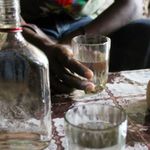
Tanzania to roll out alcohol addiction treatment drug in public hospitals


Dodoma. The Medical Stores Department (MSD) has announced plans to begin importing a specialised drug used to treat alcohol addiction, in a move expected to bring relief to thousands of Tanzanians struggling with dependency.

The drug, Naltrexone, will be distributed across public hospitals once it becomes available in the country.

MSD Dodoma zonal manager, Ms Mwanashehe Jumaa, said the agency will officially announce the health facilities that will stock the medication to ensure easier access for the public.

She made the remarks on Friday, April 24, 2026, during a meeting with editors from various media houses aimed at discussing improvements and the implementation of MSD’s core functions.

Ms Jumaa said the drug targets individuals battling alcohol addiction, a group that has long lacked access to such treatment in government hospitals.

“We have secured this medication at an affordable cost and it will be distributed to various hospitals.

“We have secured this medication at an affordable cost and it will be distributed to various hospitals. Previously, it was difficult for patients to be prescribed this drug due to its limited availability, but the situation will now change,” she said.

She noted that MSD reached the decision in collaboration with Mirembe National Mental Health Hospital after conducting an assessment that revealed a significant shortage of drugs used to manage alcohol addiction in the country.

According to Ms Jumaa, the consignment has already been ordered and will initially be introduced at Mirembe Hospital before being rolled out to other health facilities nationwide.

She added that the move will significantly reduce treatment costs, as the drug has largely been available in private hospitals and pharmacies at relatively high prices.

“We are ensuring that essential mental health products are available in sufficient quantities and at affordable prices. Through MSD, these medicines will now reach more citizens than before,” she said.

Alcohol addiction burden

Data from Mirembe National Mental Health Hospital shows that between 30 and 40 percent of patients receiving mental health services are directly linked to excessive alcohol consumption.

The hospital also receives hundreds of new patients annually with alcohol addiction, adding pressure to the healthcare system.

Studies indicate that about 6.8 percent of Tanzanians suffer from alcohol addiction. The prevalence is higher among men at over 11.5 percent compared to 2.2 percent among women.

In some facilities, such as Kilimanjaro Christian Medical Centre (KCMC), up to 30 percent of accident patients are reported to have been under the influence of alcohol at the time of admission.

National data further suggests that alcohol consumption levels in Tanzania are higher than the East African average.

According to the World Health Organisation (WHO), the average alcohol consumption per adult in Tanzania exceeds nine litres per year—a level associated with rising cases of non-communicable diseases, road accidents and social challenges.

Public reaction

Reacting to the development, a Dodoma resident, Mr Juma Abdallah, said availability of the drug in public hospitals would help many families grappling with alcohol addiction.

“Many people want to quit alcohol but fail due to lack of professional support and medication. If it becomes affordable, it will be a huge relief,” he said.

A mother from Singida, Ms Neema Mlay, said the cost of treatment has been a major obstacle for families.

“We have been struggling to treat our relative in private hospitals at a high cost. If the drug becomes available in government facilities, it will ease the burden on many families,” she said.

Expert view

A mental health specialist, Dr Petro Mwakalinga, said Naltrexone plays a crucial role in reducing the urge to consume alcohol but cautioned that it should be complemented with counselling.

“This drug helps to reduce physical dependence on alcohol, but it is not a standalone solution. It must be combined with psychological therapy and social support for full recovery,” he said.

He added that tackling alcohol addiction in Tanzania requires a multi-sectoral approach, including public awareness, regulation of alcohol availability and strengthening mental health services.

Despite the challenges, stakeholders have welcomed MSD’s move as a significant step towards improving mental healthcare in the country, particularly given the far-reaching impact of alcohol addiction on health, household economies and society at large.

Mr Jumaa reiterated that once the drug becomes available, MSD will formally announce the health facilities that will stock it to ensure smooth access for the public.

Overall, health experts believe the introduction of Naltrexone will mark an important milestone in the fight against alcohol addiction, while underscoring the need for continued investment in mental health services nationwide.