Dar es Salaam. As Tanzania continues to invest heavily in expanding access to education, attention is increasingly turning to a critical question: how can teachers be supported to deliver quality learning in the classroom?
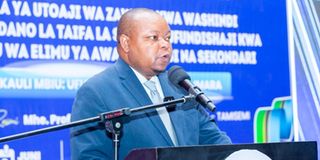
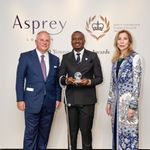
The answer was at the centre of the National Teaching Skills Competition awards ceremony held in Dar es Salaam on May 6, 2026, where 35 teachers from pre-primary, primary and secondary schools were recognised for excellence and innovation in teaching.
The winners will receive plots of land near their workplaces as part of a government effort to motivate teachers and encourage professional excellence.
Speaking during the event, Minister of State in the Prime Minister's Office (Regional Administration and Local Government), Prof Riziki Shemdoe, said teachers remain the backbone of national development because they shape the knowledge, skills and values of future generations.
He urged teachers across the country to continue embracing innovative teaching methods and modern technologies to help learners develop critical thinking, creativity and problem-solving skills needed in the 21st century.
"The government will continue to value teachers' contributions by improving working conditions and providing incentives that enhance teaching and learning," he said.
The competition comes at a time when Tanzania is implementing major education reforms under the Education Sector Development Plan and the new competency-based curriculum, both of which place greater emphasis on learner-centred teaching, digital skills and improved learning outcomes.
Education experts say rewarding teachers for excellence is increasingly important as the country seeks to address persistent learning challenges, particularly in foundational literacy and numeracy.
According to the Tanzania Institute of Education (TIE), the 2026 competition focused on strengthening teaching competencies in reading, writing and arithmetic, commonly known as the 3Rs. For pre-primary education, special attention was placed on helping children master letter sounds, an area that has been identified as a challenge for many learners.
TIE Director General Dr Aneth Komba said the competition aligns with President Samia Suluhu Hassan's vision of ensuring that every child can read fluently by the time they reach Standard Three.
"The aim is to improve teaching and learning of foundational skills so that children acquire the competencies needed for future learning," she said.
Dr Komba noted that preparations for the competition involved analysing learner performance data from the National Examinations Council of Tanzania and reviewing new curriculum requirements to identify priority areas for improvement.
A total of 3,153 teachers registered for the competition through a digital platform known as the National Teaching Skills Competition System. Of those, 1,263 uploaded lesson videos for assessment.
The competition was conducted at council, regional and national levels, with judges evaluating lesson planning, content delivery, learner participation, use of ICT, teaching aids, continuous assessment and the promotion of 21st-century skills.
The initiative reflects a growing shift towards professional development that recognises classroom practice rather than focusing solely on academic qualifications.
Education analyst and lecturer, Dr Thomas Jabir, said teacher motivation remains one of the most important factors influencing learning outcomes.
"When teachers are recognised for good performance, it boosts morale and encourages others to improve. Such programmes also create opportunities for sharing best practices across schools and regions," he said.
He added that as Tanzania expands school infrastructure and enrolment, equal attention must be paid to classroom instruction because learning outcomes depend largely on teacher effectiveness.
Data from government education reports show that Tanzania has made significant progress in increasing school enrolment over the past decade.
However, education stakeholders have repeatedly pointed to the need for stronger teacher support systems, including continuous professional development, mentorship and access to digital teaching resources.
The Chairperson of the Parliamentary Standing Committee on Education, Culture and Sports, Husna Sekiboko, said improving education requires collaboration among teachers, parents, learners and community leaders.
She noted that ongoing reforms in education governance and management are intended to strengthen service delivery and improve student learning outcomes nationwide.