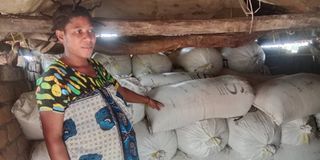
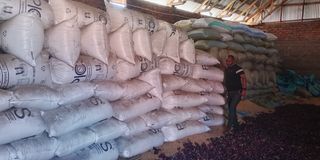
Hermetic bags are designed to protect crops by creating an airtight environment that prevents pests and mold.
Dar es Salaam. Post-harvest crop loss in the Katavi region has significantly declined, dropping from 45 percent between 2015 and 2018 to just 15-20 percent for maize, according to the region’s agricultural department.
This improvement is credited to extensive training on the use of hermetic storage bags, an initiative spearheaded by HELVETAS Tanzania, the Sustainable Agriculture Tanzania (SAT) organization, Sokoine University of Agriculture (SUA), the University of Zurich, and local government offices.
The training is part of a project launched in January 2024 to reduce post-harvest losses by promoting modern, safe, and chemical-free storage techniques.
Hermetic bags are designed to protect crops by creating an airtight environment that prevents pests and mold.
Farmers are trained to properly dry their crops to the recommended moisture level—13 percent for maize—before sealing them in these specialized bags.
Unlike conventional storage methods, which often rely on pesticides, hermetic bags are chemical-free and maintain the quality of stored crops.
This not only ensures safer food but also allows farmers to sell their produce at higher prices.
Many farmers in Katavi have reported significant improvements since adopting hermetic storage bags.
Khadija Kapinga, a farmer from Mbede Village, said she stored part of her harvest in traditional bags last year and suffered significant pest damage.
However, the maize she stored in hermetic bags remained in excellent condition and sold quickly.
“The only challenge is the cost,” she said. “A hermetic bag costs Sh5,000, compared to Sh600 for a traditional bag. Reducing the price to around Sh3,000 would make it affordable for small-scale farmers like me.”
Village Executive Officer Ngusekela Emanuel echoed these sentiments, noting that switching to hermetic bags saved his maize from pests this year. “Last year, I had to sell damaged maize at a loss. This year, my harvest is safe, thanks to the training and technology.”
Improper pesticide use has led to health risks and financial losses in the past. Emanuel recalled that six people were hospitalized after consuming crops stored with chemicals.
The District Executive Director, Shamimu Mwariko, highlighted the broader benefits of hermetic bags, including improved food security and economic stability.
“Farmers can store their crops longer and sell them when market prices are favorable,” she explained.
Over 75,000 farmers in Katavi and Rukwa have been trained in hermetic storage methods, and the distribution of these bags has grown fivefold since 2020.
However, more than 60 percent of farmers have yet to adopt the technology, citing cost and misconceptions about its safety.
Assistant Regional Administrative Secretary Neemia James stressed the importance of addressing these barriers through education and support.
“We’re working to reduce overall farming costs while promoting sustainable practices like soil testing and proper fertilizer use,” she said.
The project’s goal is to enhance food security, nutrition, and economic opportunities for smallholder farmers.
Project Officer Zakaria Zacharia of HELVETAS said the initiative is already transforming the agricultural sector.
“By reducing post-harvest losses, we’re ensuring better livelihoods for farmers and a more sustainable future,” he stated.
Efforts to promote hermetic storage and reduce dependency on chemicals continue, with stakeholders optimistic about achieving widespread adoption by the project’s conclusion in December 2026.