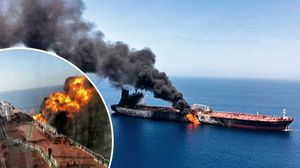
Dar es Salaam. Tanzania has warned that the escalating Middle East conflict could disrupt fuel supplies, worsen food insecurity and weaken tourism across Africa, urging swift diplomatic efforts to prevent wider economic fallout.
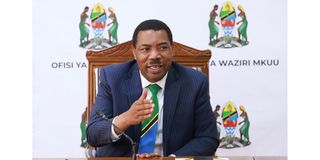
In an opinion article published by CNBC Africa, Prime Minister Mwigulu Nchemba said African economies were already beginning to feel the effects of the crisis and called for urgent international action to restore stability.
He said that despite the geographical distance, the Middle East remained central to Africa’s economic systems through energy supply chains, trade, labour flows and investment.
Dr Nchemba said Tanzania imports about 59 percent of its fuel from the Middle East, leaving the country exposed to supply shocks linked to tensions around the Strait of Hormuz.
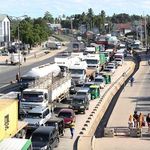
He said fuel prices in Tanzania have risen by 33.4 percent within a month, increasing transport and production costs.
He warned that continued pressure could force the government to spend more than $500 million on fuel subsidies within three months, diverting funds from health, education, agriculture, infrastructure and water services.
The Prime Minister also pointed to risks in agriculture, noting that Gulf states supply a significant share of fertilisers used across Africa. He warned that disruptions could reduce crop yields and deepen food insecurity.
He cited concerns from the World Food Programme that prolonged conflict could push millions more people into acute hunger globally.
Under the administration of Samia Suluhu Hassan, Tanzania has introduced fiscal measures aimed at cushioning the economy, including cuts in government travel expenditure and expanded cooperation with Gulf countries in energy and agriculture.
However, Dr Nchemba said several African economies remained highly vulnerable, with some already experiencing fuel shortages, industrial disruptions and civil unrest linked to global price pressures.
He said Tanzania’s meat exports declined by 62 percent between February and March due to weakening demand and supply chain disruptions associated with the crisis.
Tourism, a key foreign exchange earner, is also under pressure from rising insurance costs and potential flight suspensions affecting international travel demand.
Despite the risks, Dr Nchemba said Tanzania sees opportunities to strengthen long-term resilience, pointing to progress on a $42 billion liquefied natural gas investment framework expected to unlock 57 trillion cubic feet of natural gas reserves.
He said Africa must use the current crisis to accelerate energy diversification and economic resilience strategies.
He added that diplomatic efforts remain critical to restoring stability in the region.