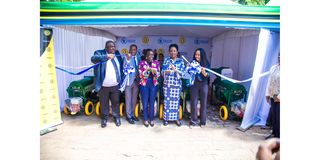
Dodoma. The World Food Programme (WFP), in partnership with Tanzania Breweries Limited (TBL) and AB InBev, has handed over youth enterprise startup kits, 71 multi-crop threshing machines and ICT equipment aimed at strengthening agricultural productivity and disaster preparedness in Dodoma Region.
Speaking during the handover event in Dodoma on May 12, 2026, Dodoma Regional Commissioner Rosemary Senyamule said the initiative represents a strategic investment in strengthening agricultural resilience, increasing productivity and creating sustainable income opportunities for farmers and youth in the region.
“These threshers are not simply machines; they are investments in resilience, productivity and income generation for our farmers and youth,” said Ms Senyamule.
She commended the collaboration between WFP and AB InBev/TBL for advancing inclusive agricultural value chains and improving reliable market access for sorghum farmers in Dodoma.
WFP Representative and Deputy Country Director Christine Mendes said the interventions are designed to strengthen resilience among smallholder farmers and young agripreneurs.
According to WFP, the initiative combines youth empowerment, agricultural mechanisation and disaster preparedness as interconnected pillars for building resilient food systems.
“The startup kits empower youth to enter agribusiness and create jobs, while threshing machines reduce post-harvest losses and improve grain quality. ICT equipment strengthens early warning systems and anticipatory action during climate shocks,” said Ms Mendes.
She noted that since 2019, WFP and TBL have partnered to strengthen the sorghum value chain in semi-arid areas of Dodoma, including Kongwa, Mpwapwa and Chamwino districts.
“Mechanisation is transforming agriculture in Dodoma by reducing post-harvest losses, improving grain quality and creating income opportunities for youth and farmer groups,” she added.
The programme initially involved about 1,300 farmers but has now expanded to more than 3,000 farmers.
WFP said sorghum has become increasingly strategic due to its drought resilience and rising market demand from industries and regional export markets, including South Sudan.
Under the partnership, farmers have received improved seed varieties, training on good agricultural practices, post-harvest handling support, mechanisation services and access to reliable markets.
The amount of seed distributed has increased from 20 metric tonnes to 40 metric tonnes, enabling more than 4,300 farmers to cultivate about 7,400 acres during the 2025/2026 farming season across 70 villages.
As part of mechanisation efforts, WFP and TBL had earlier invested in 185 hand jab planters and 48 threshers. The newly procured 71 threshing machines, valued at Sh251.3 million, are expected to further reduce post-harvest losses and improve grain quality.
AB InBev/Tanzania Breweries Limited representative Siya Buyanda described the threshers as transformative tools that go beyond machinery, saying they improve productivity and strengthen food security.
“These threshers represent more than machinery. They are tools of transformation,” said Mr Buyanda.
He added that the initiative has already increased yields by 25 per cent in pilot areas, while also empowering women farmers and supporting the use of locally sourced sorghum in TBL products, in line with AB InBev’s sustainability and climate resilience goals.
The machines will be operated by trained youth and farmer groups, who are also expected to generate income by renting out threshing services to other farmers.
WFP also announced plans to procure 18 additional threshers through its Climate Smart Agriculture Project funded by the Embassy of Ireland. The machines will benefit farmers in Bahi, Chemba and Kondoa districts.
With the additional procurement, total investment in threshers is expected to reach about Sh315 million in 2026.
Meanwhile, through support from the Mastercard Foundation, WFP is implementing the five-year Vijana Kilimo Biashara (VKB) initiative aimed at empowering young people and strengthening food systems.
The project is being implemented in eight regions and targets more than 100,000 beneficiaries, including 26,000 young people in Dodoma and Singida.
According to WFP, 423 youth applied to join the Generation Food Accelerator programme in Dodoma and Singida, with 100 receiving business training and 30 top enterprises receiving grants and technical support.
WFP contributed about Sh260 million in catalytic funding for the initiative, which has already created 57 direct jobs.
Deputy Permanent Secretary in the Ministry of Agriculture Prof Peter Msofe said the initiative directly supports Tanzania’s agricultural transformation agenda and complements the Building a Better Tomorrow (BBT) programme.
“Today’s initiatives align directly with Tanzania’s agricultural transformation priorities and the Building a Better Tomorrow (BBT) programme,” said Prof Msofe.
He noted that the threshers and youth enterprise support are contributing to the modernisation of agriculture while expanding economic opportunities for young people and farming communities.
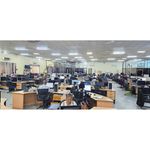
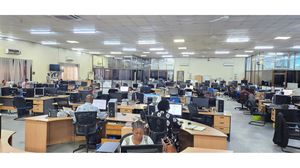
In addition, WFP handed over ICT equipment worth about Sh120 million to the Prime Minister’s Office – Disaster Management Department.
The package included 14 desktop computers, three 100-inch television displays and two printers to strengthen Emergency Operations and Communication Centres (EOCCs).