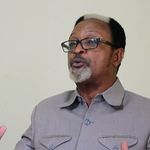
Dar es Salaam. The return of former Chadema senior figures, Joseph Selasini and Peter Msigwa, to the opposition party has triggered fresh debate among political analysts, with some describing the developments as a sign that the party has survived a political test many believed would weaken it permanently.
The two politicians separately announced their return to Chadema on May 22 and 23, 2026, after previously leaving the party during periods marked by internal disagreements and wider uncertainty over the party’s political direction.
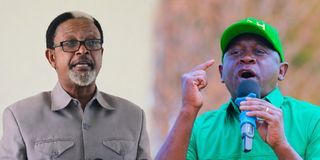
Mr Selasini, who before his return served as Deputy Chairman of NCCR-Mageuzi (Mainland Tanzania), announced his comeback during Chadema’s public rally in Arusha, where he described his earlier decision to leave the party in 2020 as a ‘political accident’.
“I suffered a political accident. I know there are people who were hurt and disappointed,” Selasini told supporters.
He added: “I stand here to apologise to everyone who was affected. The work we are doing is for the nation, not for individuals.”
A day later, Msigwa also announced his return to Chadema after quitting CCM, saying he could no longer continue remaining silent following a long period of reflection.
“I can no longer continue living in sorrow and silence,” wrote Msigwa in his statement.
He noted: “By my personal conviction, today I have officially decamped from CCM and returned to Chadema.”
The former Iringa Urban MP also apologised to party supporters who were disappointed by his earlier decision to leave the opposition party.
“To all Tanzanians and Chadema members who were hurt or disappointed by my previous position, I sincerely apologise,” he wrote.
Their comeback has now reignited discussion over the future of Chadema, political loyalty and whether more former members could follow the same path in the coming months.
A political scientist from the University of Dodoma, Dr Paul Loisulie, said many politicians, including some prominent Chadema leaders, initially believed the party would collapse politically after boycotting the 2025 General Election under its No reforms, no election campaign.
According to him, the position was difficult for some members to understand because political parties are traditionally formed to compete for State power through elections.
“There were many people, including influential figures within Chadema itself, who believed the party would eventually die after refusing to participate in the election,” said Dr Loisulie.
“The reality is that political parties exist to seek power and form government, so the No reforms, No election stance was not easy for some members to interpret or accept.”
He said the return of politicians such as Selasini and Msigwa suggests that some former members have now realised Chadema remains politically relevant and still has the potential to survive for many more years despite the challenges it has faced.
“They are returning because they can now see that the party still exists, still commands support and still carries political hope for the future,” he added.
However, a political analyst from the State University of Zanzibar, Prof Ali Makame Ussi, cautioned that politicians who defect from parties often struggle to regain the same level of trust and influence even after returning.
He said party defections are common in politics, but voters and supporters frequently begin viewing returning politicians as individuals driven more by personal interests than party ideology.
“In many cases, once a politician leaves a party, even if they later return, the level of trust and political weight they once carried tends to decline,” said Prof Ussi.
“They are often perceived as people who place personal interests ahead of party interests,” he added.
He pointed to several prominent Tanzanian politicians whose political influence appeared diminished after switching parties and later returning to their original political camps.
“Figures such as Bernard Membe, Edward Lowassa and Wilbrod Slaa all experienced similar situations. They returned, but they were never viewed with the same political weight they carried before leaving,” he said.
For his part, a political analyst from the University of Dar es Salaam, Mr Salbinus David, said the latest developments reflect both Chadema’s continued political appeal and the tendency of some politicians to follow changing political momentum.
He said there is a strong possibility that more former Chadema members could return, especially after the party resumed open political activities and appeared to regain visibility and influence among supporters.
“There is a possibility that many more Chadema members may return,” said Mr David.
“Now that the party has resumed political activities and continues attracting public attention, some politicians may feel the political environment has shifted again.”
He added that political realignments are often influenced by prevailing public mood and perceptions about a party’s future prospects.
“In politics, there are always people who follow the direction of the wind,” he said.
“So for some individuals, this period may simply appear more politically favourable for returning to Chadema.”
Register to begin your journey to our premium contentSubscribe for full access to premium content