Dar es Salaam. With fuel prices reaching historic highs, the Land Transport Regulatory Authority (Latra) is set to meet transport stakeholders tomorrow, April 8, 2026, to discuss fare adjustments and the challenges facing the sector.
Analysts note that the regulator faces a delicate task: balancing the sustainability of transport operations while ensuring that any fare increase does not trigger wider economic pressures that could affect other goods and services.
Petrol now retails at Sh3,820 per litre, up from Sh2,864 in March—a 33.4 percent rise. Diesel has increased to Sh3,806 from Sh2,858, while kerosene now costs Sh3,684, up from Sh2,932.
The sharp rise follows the February 28, 2026, US-Israel invasion of Iran, coupled with a blockade of the Strait of Hormuz by unfriendly nations.
These events have disrupted global oil supply routes, pushing crude prices above $100 per barrel, with Brent trading between $105 and $110.
The increase has added pressure to the transport sector, which relies heavily on fuel for daily operations.
High fuel prices act like an indirect tax on consumers and businesses, reducing disposable income, slowing economic growth, and increasing inflation.
Rising transportation costs in turn raise the price of goods and services, creating a ripple effect across the economy.
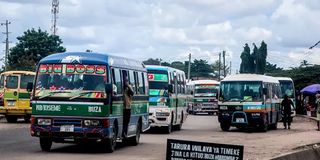
Transport operators, including bus owners, tricycle and motorcycle taxi operators, are expected to present proposals on fare adjustments at the Latra meeting.
The discussions will also focus on operational cost pressures, service delivery challenges, and regulatory measures aimed at ensuring the sector remains functional despite soaring fuel prices.
The Secretary General of the Tanzania Bus Owners Association (Taboa), Mr Priscus Joseph, said fare increases are inevitable but should remain modest and based on realistic cost calculations.
“Fares should be increased after careful calculation. Some operators have raised fares excessively, which could unduly burden passengers,” he said.
He also pointed out the lack of coordination among government institutions has worsened the situation, arguing that better preparation could have mitigated public frustration.
Mr Joseph highlighted that rising costs go beyond fuel, noting increases in battery prices, vehicle maintenance, and other operational expenses.
“When you touch fuel, you affect everything,” he said, stressing that fare adjustments must reflect true operational costs rather than speculative increases.
He added that motorcycle taxi operators and tricycle (Bajaj) owners should also be reviewed, as some have raised fares disproportionately despite moderate fuel consumption.
Similarly, Tamstoa Secretary General Issa John urged the government to reduce taxes on fuel to ease the burden on traders and the general public.
Dar es Salaam Regional Commuter Bus Owners Association Secretary, Shifaya Anselma, said the situation affects the entire country and emphasised the importance of dialogue.
“It’s not just about fuel prices. We need to sit down and discuss how to cope with these challenges. Dialogue can help reach a practical understanding,” he said.
Tamstoa chairman Chuki Shaban echoed calls for short-term reductions in fuel-related levies, noting that such measures could help stabilise fares and reduce the impact on both operators and passengers.
Meanwhile, Executive Director of the Tanzania Association of Oil Marketing Companies (Taomac), Raphael Mgaya, warned that citizens should prepare for further increases in fuel prices.
He said the current rates are supported by previously imported fuel still in circulation, and the next wave of imports will likely push prices higher.
Mr Mgaya also suggested that institutions capable of allowing employees to work remotely should consider doing so to reduce fuel demand and consumption.
“Next month, all goods are likely to become more expensive as fuel prices continue to rise. This situation is unprecedented in Tanzania’s oil sector and requires collective planning and adaptation,” he said.
Latra’s role
As Latra convenes tomorrow, the meeting will serve as a critical platform for stakeholders to weigh the immediate need for fare adjustments against the broader economic impact.
Analysts emphasise that a coordinated approach is essential to protect consumers, support operators, and maintain stability in the transport sector.
The meeting is expected to bring together key government officials, bus and truck owners, operators of tricycles and motorcycle taxis, and other stakeholders, providing an opportunity to discuss both short-term measures and long-term strategies to mitigate the effects of rising fuel costs.
Observers say the regulator must ensure any fare increases are measured, transparent, and justified by operational realities to avoid further inflationary pressures.
In the coming weeks, citizens and businesses will closely monitor the outcomes of the Latra meeting, which could set the tone for how Tanzania navigates one of the most challenging periods for its transport and logistics sector in recent years.
Register to begin your journey to our premium contentSubscribe for full access to premium content